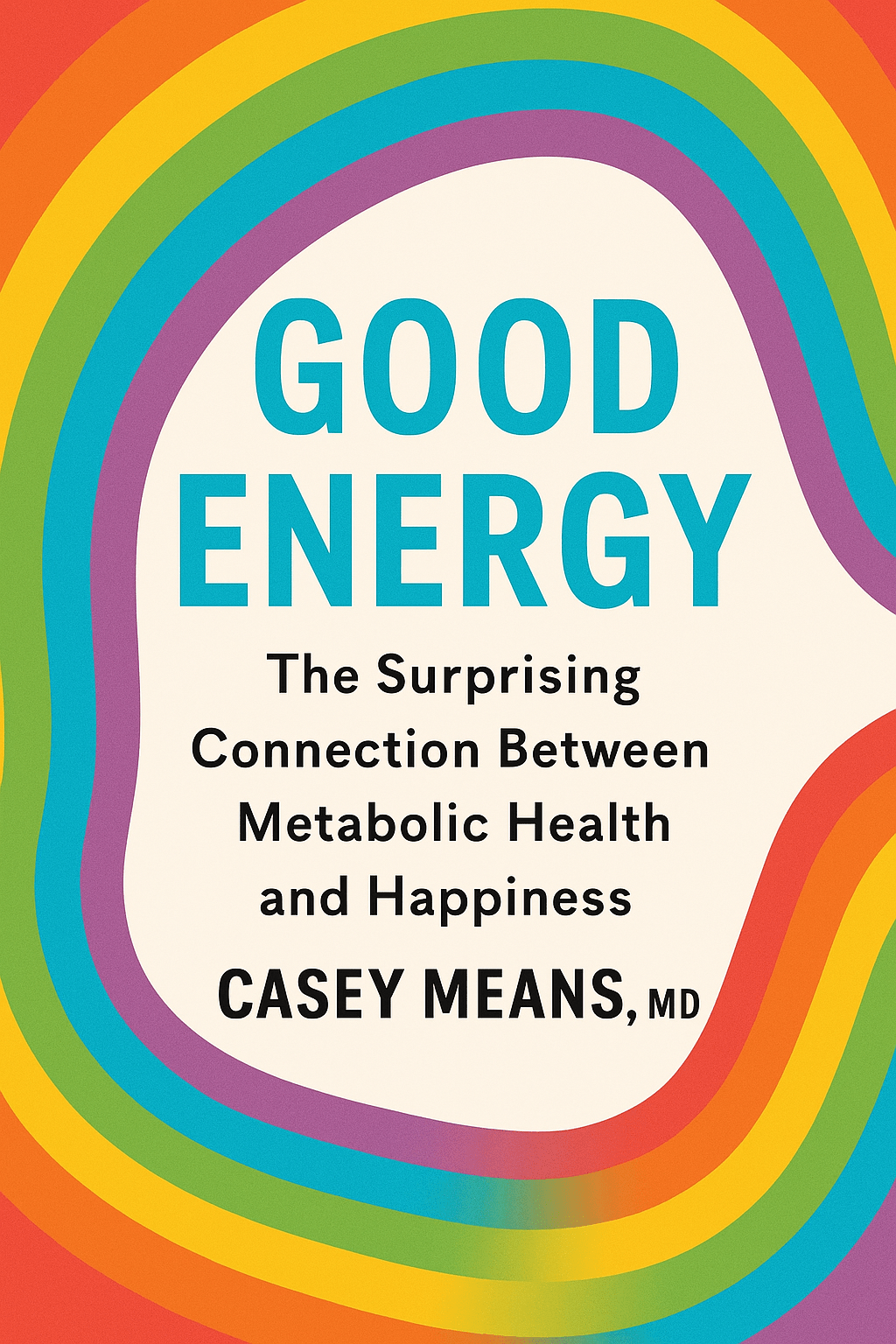
Why Metabolic Health Matters. What if the most common health woes – diabetes, heart disease, infertility, depression, even Alzheimer’s – all trace back to one root cause? In Good Energy, Dr. Casey Means argues just that: our metabolic health (how well our cells produce energy) underlies nearly every aspect of wellnessnaturalwomanhood.orgnpr.org. Poor diet, chronic stress, too little movement and sleep all “decimate” our cellular powerhouses (mitochondria) and create “bad energy,” inflammation and diseasenaturalwomanhood.orgnpr.org. Conversely, “good energy” is about fueling our cells so we have ample vitality – much like filling a Ferrari with premium gasnpr.orgnaturalwomanhood.org. By reframing health this way, Means shows that taking charge of diet, sleep, exercise and environment lets us prevent or even reverse chronic conditions.
Poor metabolic health is linked to many modern ailments; “good energy” means supporting our cells with the right fuel and lifestyle inputsnaturalwomanhood.orgnpr.org.
Key Metabolic Insights. Means distills her message into clear, actionable ideas. For example, she highlights that poor energy production at the cellular level is a root cause of many diseases – from type 2 diabetes to depression and dementiaventurebookclub.com. The book emphasizes five key biomarkers (blood sugar, triglycerides, blood pressure, waist size, and fasting glucose) that often creep up before serious disease appearsventurebookclub.comhubermanlab.com. Tracking these (through lab tests or home monitors) lets us intervene early. Modern tools like continuous glucose monitors (CGMs) and wearable trackers now let anyone “DIY” their metabolic health – seeing in real time how meals, stress, and sleep affect their glucose, heart rate and other metricsventurebookclub.comnpr.org. By paying attention to data (from blood tests or devices), we can make informed tweaks and see immediate feedbacknpr.orgnaturalwomanhood.org.
- Diet Simplified: Instead of fad diets, Means offers six universal nutrition principles (eat whole foods, fiber, quality protein, healthy fats, etc.) that apply whether you’re vegan, keto, or omnivoreventurebookclub.com. In practice, this means filling your plate with non-starchy vegetables, lean proteins and fibrous plant foods, and cutting ultra-processed “empty calories.” She warns that processed foods, excess sugar and chronic snacking overload cells and produce “bad energy,” fueling inflammationnaturalwomanhood.org. A key tip: aim for fiber-rich, nutrient-dense meals (think vegetables, nuts, seeds, legumes) to keep glucose steady and mitochondria happy.
- Sleep & Circadian Rhythm: Good sleep is non-negotiable. Means reminds us that metabolic processes follow a daily clock – if we ignore natural light/dark cycles by sleeping poorly or staying up too late, our energy suffersventurebookclub.com. For busy professionals, that means a regular bedtime and waking to daylight. Even small steps help: try to get morning sunlight within an hour of waking to set your clock, and wind down screen time before bed. Well-aligned sleep improves hormones, insulin sensitivity and energy levelsventurebookclub.com.
- Movement Over Workouts: You don’t need a fancy gym routine. Instead, Means recommends micro-movements and breaking up sitting time. In med school she found sitting all day “diminished… well-being,” and she championed standing desksnpr.org. For most people, simply taking short walks, doing desk stretches or standing meetings can dramatically improve circulation and burn glucose. The goal is “easy movement throughout the day”venturebookclub.com. (Tip: set a timer to stand or walk 5 minutes every hour, or walk around during phone calls.)
- Stress & Exposure: Controlled stressors – like cold showers or sauna visits – can actually make mitochondria more resilientventurebookclub.com. Cold exposure in particular is highlighted as a way to boost metabolism and stress tolerance (start with 30 seconds of cold water at the end of a shower, working up). At the same time, chronic stress (the hormone cortisol) acts like “biochemical fear” that raises inflammation. So Means advises simple stress management: brief daily breathing exercises, spending time outdoors (lightly stressed natural environments boost recovery), and reducing toxin exposures in your home (clean air, safer cleaning products)naturalwomanhood.orgventurebookclub.com.
- Practical Monitoring: A big theme is measure to manage. She not only walks through how to interpret standard labs (fasting glucose, lipid panels, A1c, etc.) but also urges using consumer tech. “Tracking biomarkers” is a cornerstone – from wearing a sleep tracker or fitness band, to logging blood glucose and even daily bitesnpr.orgnaturalwomanhood.org. For example, a CGM can reveal which snack spikes your sugar and keeps you sluggish. By gathering data – as simple as noting when you feel low on energy – you become proactive. Dr. Means even co-founded a company (Levels) based on CGMs for health tracking, underscoring the belief that tracking is empoweringnpr.orgnpr.org.
Putting Good Energy into Action. The latter part of Good Energy is a playbook for busy people. Means breaks changes into a four-week plan so you aren’t overwhelmednaturalwomanhood.org. Week 1 starts with an audit: identify your biggest “bad energy” habits (late-night screen time, constant snacking, sitting all day). Then, focus on one domain at a time. For example, in Week 2 try revamping one meal per day (add vegetables, eliminate sugary drinks). Next, introduce movement breaks (a short walk after lunch) and light hacks (sit by a window or take morning sunshine). Subsequent weeks layer on sleep routines (consistent wake-time) and environmental tweaks (cutting back on household toxins, improving air quality). Because changes are incremental, it’s sustainable – you won’t feel burdened by a huge overhaulnaturalwomanhood.org. She even provides checklists and simple recipes to get started.
Tools like glucometers, lab panels or wearables can make “good energy” tangible: Means shows how tracking blood sugar, lipids and other markers helps busy people see the impact of diet and lifestyle on their metabolic healthnpr.orgnaturalwomanhood.org.
Simple Habits for Busy Lives. To translate Good Energy into everyday life, try these evidence-backed tweaks:
- Fiber-First Meals: Load 50% of your plate with vegetables or salad. Fiber blunts glucose spikes and feeds gut bacteria that support mitochondria. For example, add legumes, greens or berries to breakfast or snacks.
- Stand & Move: Set an alarm to stand or stretch every 30–60 minutes. Even 2 minutes of walking or marching in place every hour can improve circulation and energy.
- Bright Light: Spend 5–10 minutes in natural morning light. This small habit helps regulate your circadian rhythm for better sleep and daytime alertness.
- Prioritize Protein & Healthy Fats: Each meal should have some protein (eggs, yogurt, nuts, beans) and healthy fats (olive oil, avocado, nuts) to stabilize blood sugar. This prevents the crashes that leave you feeling drained.
- Limit Evening Snacking: Try to finish eating 2–3 hours before bedtime. Late-night carbs or screen time can disrupt sleep hormones. A calmer evening routine (herbal tea, reading) fuels better recovery.
- Cold Exposure: End one shower per week with 30 seconds of cold water, or try a quick cold plunge. This can boost metabolism and stress resilience over timeventurebookclub.com.
- Track One Metric: Pick a marker to monitor (e.g. check your fasting glucose or energy level each morning). Awareness itself can motivate changes. If feasible, use a glucose monitor for a week to identify your body’s triggers.
By weaving these small habits into a hectic schedule, even an ambitious professional can steadily build “good energy.”
Takeaway. Good Energy reminds us that feeling vibrant isn’t just luck – it’s a matter of science and choices. Metabolic health sits at the heart of wellbeing, and is largely under our control. Dr. Casey Means offers a roadmap: optimize what you eat and do each day to fuel your cells, monitor key health markers, and align habits with your natural rhythmsnpr.orgnaturalwomanhood.org. Start by reflecting on your own “energy leaks” and commit to one change this week (for instance, swapping soda for water, adding a brisk 5-minute walk, or turning off devices earlier). Small, consistent shifts can add up to lasting gains. Your body is like an engine – give it clean fuel, tune it often, and it will reward you with boundless energy.
Ready to take control of your energy? Think about one habit you can tweak today. Maybe it’s a walk after lunch, a veggie-loaded dinner, or a consistent bedtime. Try it for a week and notice how you feel – then build on that momentum. Good Energy is not just theory, but a practical guide: use it as inspiration to design a lifestyle that truly powers your potentialnaturalwomanhood.orgnpr.org.
Sources: Key ideas drawn from Good Energy by Casey Means, MD and co-author Calley Meansnaturalwomanhood.orgnpr.orgnaturalwomanhood.orgnpr.orgventurebookclub.comnaturalwomanhood.org, as highlighted in expert summaries and reviews of the book.

Leave a comment