Author: SkillStacked

  • 🧠 Skill of the Day: How to Improve Your Posture

    🧠 Skill of the Day: How to Improve Your Posture

    Poor posture doesn’t just make you look tired, lazy, or older—it limits your performance, causes chronic pain, and quietly sabotages your confidence.

    But here’s the good news: it’s fixable.
    And you can start seeing results in days—not months—with consistent micro-efforts.


    💡 Why Posture Matters

    • Reduces risk of back, neck, and shoulder pain
    • Improves lung capacity and energy
    • Boosts confidence and body language
    • Increases strength and stability in lifts and movement
    • Helps reduce fatigue and tension headaches

    🚨 Common Postural Problems

    • Forward head (tech neck)
    • Rounded shoulders
    • Anterior pelvic tilt (exaggerated lower back curve)
    • Slouched upper back (kyphosis)
    • Inactive glutes and weak core

    What causes them?

    • Sitting too long
    • Screen use
    • Muscle imbalances
    • Weak posterior chain
    • Lack of movement variety

    🛠️ How to Fix Your Posture (Step-by-Step)

    1. Daily Mobility & Stretching

    • Chest Openers: Doorway pec stretch (2×30 secs each side)
    • Neck Tucks: 10 reps daily to realign your head
    • Hip Flexor Stretch: Loosen tight hips that pull your spine forward
    • Thoracic Extensions: Use foam roller or towel under upper back

    2. Strengthen Key Areas

    • Glutes: Glute bridges, clamshells
    • Core: Dead bugs, planks
    • Upper Back: Band pull-aparts, face pulls
    • Lower Traps: Y-T-W raises

    3. Align and Cue Your Body Throughout the Day

    • Stand tall: ears over shoulders, ribs down, glutes gently squeezed
    • Use reminders or tape to keep posture top of mind
    • Stack shoulders over hips—especially when walking or standing

    🔁 Daily Kaizen: Micro-Habits to Lock It In

    • 💡 1-minute posture reset every hour: stand, stretch, and realign
    • 📱 Set your lock screen to say: “Chest Up, Core On”
    • 🚿 Do wall angels before or after your shower
    • 🧘 Morning glute bridges and cat-cows to open up your spine
    • 💻 Invest in a standing desk or lumbar support pillow

    🚀 Final Thoughts

    You don’t need to overhaul your life.
    Just add a few posture resets a day.
    Your back will thank you.
    Your confidence will grow.
    And you’ll move like someone who owns the room.

  • 🧠 Motivation Is a Trap – Here’s What Actually Keeps You Going

    🧠 Motivation Is a Trap – Here’s What Actually Keeps You Going

    Motivation is a liar.
    It shows up when it feels like it—and disappears the moment things get inconvenient.

    Everyone talks about “getting motivated.”
    But the truth?
    Motivation is the worst thing to rely on if you want long-term success.


    🔥 Why Motivation Fails

    • It’s based on emotion.
    • It’s influenced by sleep, food, mood, weather, and a hundred other things.
    • It disappears when you’re tired, discouraged, or overwhelmed.
    • It turns goals into “someday” fantasies, not daily disciplines.

    You don’t need motivation.
    You need a system that moves even when you don’t want to.


    🛠️ What Works Instead

    1. Rituals > Routines

    Make your habits sacred. The same way a soldier doesn’t think about brushing boots or packing gear—you don’t think, you just do.

    “No debate. No negotiation. Just action.”


    2. Environment Design

    You don’t rise to your goals—you fall to your environment.
    Make it harder to fail than to succeed.

    • Gym clothes ready the night before
    • Water bottle at your desk
    • No junk food in the house

    3. Identity-Based Habits

    Don’t ask, “What should I do today?”
    Ask: “What would a disciplined person do right now?”

    Become the type of person who trains daily, eats clean, and follows through—no matter how they feel.


    4. Momentum Over Heroics

    A perfect day is rare. A good-enough day is enough.
    String together enough “C+” days and you’ll crush 99% of the population.


    🎯 The Truth

    Motivation is a spark.
    Discipline is the engine.
    Systems are the fuel.

    You want progress? Stop waiting to feel like it.
    Act now. The feeling will catch up.

  • Discipline Equals Freedom: Field Manual – Key Lessons

    Discipline Equals Freedom: Field Manual – Key Lessons

    Jocko Willink, a retired Navy SEAL commander and leadership expert, learned firsthand that success is never about taking shortcutsechelonfront.com. In Discipline Equals Freedom, he distills decades of hard-earned military experience into a no-nonsense roadmap: real freedom – in fitness, work, and life – comes only through relentless disciplineechelonfront.comsistasofstrength.com. As Jocko himself puts it, “Discipline equals freedom…if you want more freedom, get more discipline”sistasofstrength.comechelonfront.com. Forget quick fixes or empty motivation – this book is a blunt call to action to own your routines, outwork your former self, and earn the life you want.

    Wake Up Early

    Jocko’s day starts in the pre-dawn hours – and so should yours. Every chapter reminds us that discipline starts with waking up earlygrahammann.net. In fact, waking just one hour earlier gives about 15 extra days per yearentrepreneur.com. Use that quiet morning time for yourself: hit the gym or go for a run (boosting fitness and mental toughness), then map out your priorities for the day. With no distractions, you think sharper and take control (productivity and leadership gain). In short: own your mornings to own your life.

    • Rise Before the World: Jocko posts his watch on Twitter daily at 4:30am to prove the pointthetrustydingo.com. Science backs it up: early risers report better focus and more uninterrupted time to plan and actentrepreneur.com.
    • Morning Routine: A quick workout or stretch at dawn kicks off endorphins and sets a winning tone (fitness). Then use the quiet to journal or review goals (mindset) and tackle your hardest work first (productivity).
    • Lead by Example: When a leader shows up early, teams take note. Your discipline inspires others and builds trust – the kind of leadership Jocko embodiesechelonfront.comechelonfront.com.

    Get It Done – No Excuses

    Procrastination is the enemy. Jocko’s answer is brutal simplicity: start right nowgrahammann.net. He doesn’t wait for motivation – he goes anyway. “Even when I’m not feeling it,” he says, “I GO ANYWAY. I GET IT DONE”grahammann.net. This isn’t empty talk: it’s a command. In practice, that means lace up for the workout even when tired (fitness gains), write that report or call that client even when tempted to put it off (productivity wins), and tackle the tough conversation even when fear bites (mindset growth, leadership credibility).

    • Action Over “Feelings”: As Jocko says, “Don’t count on motivation. Count on Discipline”grahammann.net. On days when energy or willpower dip, remind yourself: I go, I do, I finish.
    • Short Wins: Small victories matter. Commit to one push-up if that’s all you can muster – then do more. Ticking off tasks (even tiny ones) builds momentum.

    Compete with Yourself

    Every day, Jocko asks: Are you a little better than yesterday? The book stresses “competing against your former self to continually improve”echelonfront.com. This principle applies from the squat rack to the boardroom. In the gym, aim to lift a bit more or run a bit longer each session. In work, refine yesterday’s presentation or code by 1% today. In mindset, challenge yesterday’s negative thought with a positive action. Leaders too: coach your team by outperforming your own past standards, then expect the same grit from them.

    • Track Progress: Keep a log of workouts, tasks, or habits. Beat those numbers bit by bit – the act of improvement is its own reward (fitness & productivity).
    • Daily Challenge: Make yesterday your rival, not anyone else. Get a little faster, stronger, wiser today. Over time that compounding edge becomes huge freedom.

    No Shortcuts – Take the Long Road

    Jocko reminds us bluntly that the only way to shortcut success is to follow the hard, disciplined pathechelonfront.com. There are no hacks in this book. Quick fixes and hacks just delay failure. The field manual preaches putting in the work: drilling fundamentals in training, mastering your craft patiently at the office, and drilling morning habits day after day. This means embracing routines that feel “too long” today (like a strict diet or a brutal practice schedule) because they build real strength and results tomorrow. Ultimately, each step on the long road cements habits that keep you winning and free.

    • Eat the Frog: Do your hardest or most important task first. It’s not glamorous, but it’s discipline. Each small grind earns massive freedom later (less scrambling, more control).
    • Consistency Over Intensity: Jocko’s workouts are methodical – push, pull, lift, squat – done every weekthetrustydingo.com. Apply the same to your work: small daily bets on yourself win big in the future.

    Discipline Over Motivation

    In Jocko’s world, habits beat moods every time. The book warns that waiting for motivation is a trap – feelings come and gograhammann.net. Instead, build unbreakable routines. “Discipline starts with waking up early,” Jocko writes – but it doesn’t end theregrahammann.net. It’s hitting the gym every day, eating to fuel your goals, controlling emotions, and even “doing the tasks you don’t want to do”grahammann.net. Over time, these choices flip your mindset: the right thing becomes automatic because the wrong thing isn’t an option.

    • Systemize Your Day: Schedule workouts and work blocks like unmissable meetings. Habitual action kills indecision and frees mental energy (productivity & mindset).
    • Fuel and Focus: Discipline your diet as you would your schedule. Nutrition isn’t a cheat day hack – it’s a daily discipline that keeps your body and brain ready (fitness gains, stamina).

    Embrace the Grind

    Jocko’s mantra is that “stress is generally caused by what you can’t control,” but if you can’t control it you mustgrahammann.net. When life (or training) sucks, lean in. If an obstacle is unchangeable, turn it into fuel. The book teaches: “If the stress is something you can’t control: Embrace it. Use it to make yourself sharper and more effective”grahammann.net. In practice, this means letting setbacks sharpen you instead of stop you. Push through the exhaustion in late reps; learn from feedback instead of shrinking from it. A disciplined mind treats every difficulty as a chance to get tougher – and that outlook frees you from excuses and fear.

    • Turn Pain to Power: A tough training day or a hard critique isn’t a stop sign but a training tool. Grow from it.
    • Lead with Calm: In chaos, stay cool. Your composure under pressure signals strength to others (leadership credibility). As Jocko says, refuse to “exhale and set your weapon down” even for a momentgrahammann.net – stay attacking.

    Applying Discipline: Fitness, Mindset, Productivity, Leadership

    Jocko’s principles aren’t abstract. In the gym, they mean showing up when soreness bites and smashing one more rep – because consistent work builds freedom in strength and healthgrahammann.net. In mindset, they mean “I go anyway” even on low days (discipline wins over fleeting motivationgrahammann.net). For productivity, it means early starts and action: planning, focus hours and beating yesterday’s outputentrepreneur.com. As a leader, it means leading by example – putting in the hard miles and setting the bar for your teamechelonfront.comechelonfront.com. Jocko built a decorated SEAL team on this ethos, and he insists it works just as well in business or any goal-driven life.

    Take Ownership – Now!

    No filler here: every excuse you have can be crushed by discipline. Jocko’s playbook shows that true freedom starts the day you own your actions – from the alarm clock to the attitude. You’ve got the blueprint: wake up early, do the work, beat your old self, and never bow to shortcuts. The time is now: don’t talk about it, just get after it.

    Get up, get moving, and stay relentless. Your future depends on it.

  • Daily Kaizen: Win the Transition Moments

    Daily Kaizen: Win the Transition Moments

    “The in-between moments shape your day more than you realize.”

    Today’s micro-habit: Be intentional during transitions.

    Between tasks, between locations, between moods—pause for 10 seconds. Breathe. Ask:
    👉 “How do I want to show up next?”

    That tiny reset turns chaos into clarity. You don’t need more hours—you need smoother switches.

    💬 Try it once today. Which transition will you reclaim?

  • FAQ of the Day: What’s the Best Time of Day to Work Out?

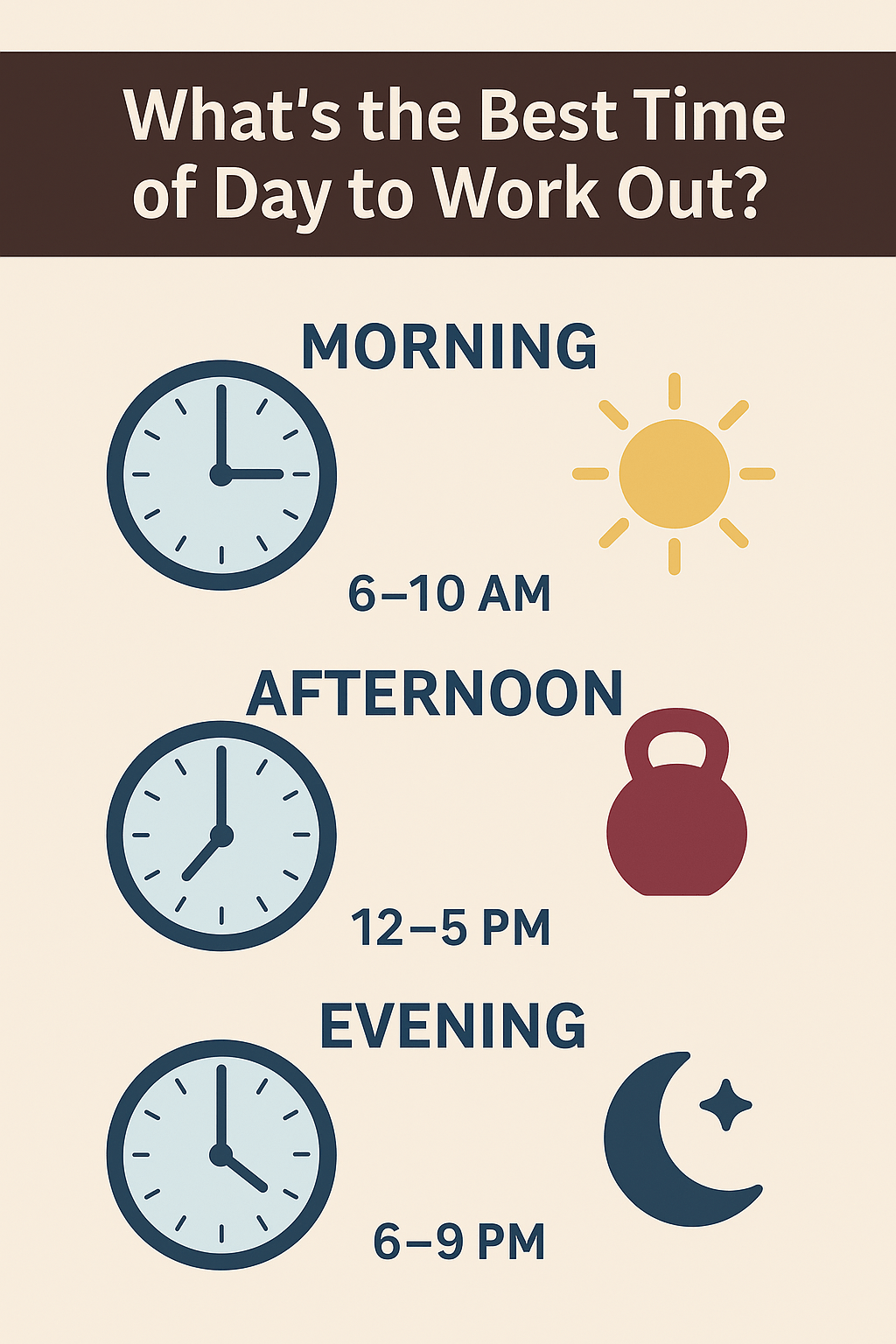
    FAQ of the Day: What’s the Best Time of Day to Work Out?

    Q: I’m busy and want to make my workouts count—does it matter when I train?

    A: The best time to work out is the time you’ll actually stick to consistently. That said, different times offer different benefits. Here’s what the research and real-world experience suggest:


    🕒 Morning Workouts (6–10 AM)

    ✅ Pros:

    • Boosts alertness and energy for the day
    • Fewer schedule disruptions (less likely to skip)
    • Improves discipline by stacking a win early
    • Can improve fat burning (especially fasted)

    ❌ Cons:

    • Body may feel stiff or cold (warm-up is essential)
    • Might be harder to lift heavy due to lower core temperature
    • Not ideal if sleep is sacrificed to fit it in

    Best for: Busy professionals who want to build consistency and start the day with momentum.


    🕓 Afternoon Workouts (12–5 PM)

    ✅ Pros:

    • Body temperature is at its peak = better performance
    • Great time for strength training and high intensity
    • Helps break up sedentary workdays
    • Can act as a stress reliever mid-day

    ❌ Cons:

    • Can be hard to schedule around work or meetings
    • May conflict with post-lunch energy dips

    Best for: Those with flexible schedules or people looking for peak physical output.


    🌙 Evening Workouts (6–9 PM)

    ✅ Pros:

    • You’re fully fuelled from the day’s meals
    • Strength and flexibility may be higher than in the morning
    • Great time for stress relief after work

    ❌ Cons:

    • More likely to be skipped due to fatigue or social obligations
    • Can interfere with sleep if done too late or too intensely

    Best for: Night owls or those who prefer unwinding through movement.


    💡 So What’s the Verdict?

    Consistency beats timing. It’s better to train at 6 AM consistently than to chase a “perfect” time and skip half your workouts.

    That said:

    • Train early if you want consistency and discipline.
    • Train midday for performance and energy.
    • Train late if that’s when you’re most available—and it doesn’t affect your sleep.

    ⚙️ Pro Tip: Match Timing to Training Type

    • Cardio? Early morning or mid-afternoon for energy and fat oxidation.
    • Heavy lifting? Midday to early evening for strength performance.
    • Yoga or stretching? Anytime—but especially effective in the evening to wind down.

    💬 Final Thought

    Your body will adapt to whatever routine you stick to. Don’t obsess over the “perfect” time—lock in the habit, and let consistency build results.

  • Skill of the Day: Developing Mental Toughness

    Skill of the Day: Developing Mental Toughness

    Introduction
    Mental toughness isn’t about being emotionless or fearless—it’s about staying grounded, focused, and disciplined when it matters most. Whether you’re under pressure at work, grinding through a tough workout, or navigating personal adversity, mental toughness is what keeps you moving forward when motivation fades. It’s a skill—and like any skill, it can be trained.


    🧠 What Is Mental Toughness?

    Mental toughness is your ability to stay resilient, focused, and composed under stress, especially when things get uncomfortable. It’s not about pretending nothing affects you—it’s about responding intentionally instead of reacting emotionally.

    You’ve likely seen it in action:

    • A fighter who keeps their composure after being knocked down.
    • A leader who stays calm while their team panics.
    • An entrepreneur who keeps going after multiple failures.

    Mental toughness is the bridge between goals and execution—the discipline to act even when it’s hard.


    ⚠️ Common Misconceptions

    • “You’re born with it” – False. Mental toughness is built through repetition, like a muscle.
    • “It means pushing through at all costs” – Wrong. True toughness includes knowing when to rest, adapt, or say no.
    • “It’s about being stoic and emotionless” – No. It’s about controlling your emotions, not erasing them.

    🛠️ Real-World Applications

    • Fitness: Pushing through fatigue, showing up on low-motivation days, and training consistently.
    • Career: Delivering under pressure, dealing with criticism, and making tough decisions.
    • Personal Life: Handling setbacks, managing stress, and staying calm during conflict.

    The more mentally tough you are, the better your outcomes—not because life gets easier, but because you get stronger.


    🔁 Step-by-Step Framework to Build It

    1. Embrace Discomfort on Purpose

    You grow tough by choosing challenge regularly. This could be:

    • Cold showers
    • Extra sets at the gym
    • Speaking up when it’s uncomfortable

    These “controlled struggles” expand your capacity for stress.

    2. Control the Inner Dialogue

    Your mind will offer excuses, fears, and doubts. Create a response:

    • “Just keep moving.”
    • “Discomfort is temporary.”
    • “This is how I grow.”

    Repetition rewires your default reactions.

    3. Visualize Pressure

    Prepare mentally for tough scenarios:

    • Imagine that high-stress meeting or hard roll at BJJ
    • Rehearse how you’ll breathe, move, and think

    Mental rehearsal makes the real thing easier.

    4. Set Clear, Unbreakable Standards

    Create rules that don’t bend based on mood:

    • “I don’t skip training.”
    • “I always finish what I start.”
    • “I speak calmly, even when triggered.”

    Then stick to them—especially when it’s hardest.

    5. Recover Like a Pro

    Toughness isn’t just push—it’s also bounce-back. Prioritize:

    • High-quality sleep
    • Intentional rest days
    • Reflection and journaling

    A resilient system doesn’t break—it bends and returns stronger.


    🔁 Kaizen Micro-Habits to Train Mental Toughness

    • Do something hard first thing in the morning (cold shower, exercise, no snooze button).
    • Set a 3-second pause rule before reacting emotionally.
    • Write down one “win under pressure” at the end of each day.
    • Track discomfort reps: Every time you lean into a hard task, note it—it builds pride and momentum.
    • Use a mantra (“Just keep breathing,” “This is where I grow”) when facing challenge.

    Small wins compound—this is the Kaizen path to a stronger mind.


    💬 Final Thoughts + Call to Action

    Mental toughness isn’t about never struggling—it’s about refusing to quit when things get hard. You don’t need to be fearless. You need to be consistent, clear-minded, and grounded in discomfort.

    Today’s challenge:
    Choose one small, uncomfortable action—and do it on purpose. A cold shower. An honest conversation. That task you’ve been avoiding. Then reflect: What did that teach you about yourself?

    Growth lives just beyond discomfort. Go get it.

  • Good Energy by Dr. Casey Means: Unlocking Your Metabolic Power

    Good Energy by Dr. Casey Means: Unlocking Your Metabolic Power

    Why Metabolic Health Matters. What if the most common health woes – diabetes, heart disease, infertility, depression, even Alzheimer’s – all trace back to one root cause? In Good Energy, Dr. Casey Means argues just that: our metabolic health (how well our cells produce energy) underlies nearly every aspect of wellnessnaturalwomanhood.orgnpr.org. Poor diet, chronic stress, too little movement and sleep all “decimate” our cellular powerhouses (mitochondria) and create “bad energy,” inflammation and diseasenaturalwomanhood.orgnpr.org. Conversely, “good energy” is about fueling our cells so we have ample vitality – much like filling a Ferrari with premium gasnpr.orgnaturalwomanhood.org. By reframing health this way, Means shows that taking charge of diet, sleep, exercise and environment lets us prevent or even reverse chronic conditions.

    Poor metabolic health is linked to many modern ailments; “good energy” means supporting our cells with the right fuel and lifestyle inputsnaturalwomanhood.orgnpr.org.

    Key Metabolic Insights. Means distills her message into clear, actionable ideas. For example, she highlights that poor energy production at the cellular level is a root cause of many diseases – from type 2 diabetes to depression and dementiaventurebookclub.com. The book emphasizes five key biomarkers (blood sugar, triglycerides, blood pressure, waist size, and fasting glucose) that often creep up before serious disease appearsventurebookclub.comhubermanlab.com. Tracking these (through lab tests or home monitors) lets us intervene early. Modern tools like continuous glucose monitors (CGMs) and wearable trackers now let anyone “DIY” their metabolic health – seeing in real time how meals, stress, and sleep affect their glucose, heart rate and other metricsventurebookclub.comnpr.org. By paying attention to data (from blood tests or devices), we can make informed tweaks and see immediate feedbacknpr.orgnaturalwomanhood.org.

    • Diet Simplified: Instead of fad diets, Means offers six universal nutrition principles (eat whole foods, fiber, quality protein, healthy fats, etc.) that apply whether you’re vegan, keto, or omnivoreventurebookclub.com. In practice, this means filling your plate with non-starchy vegetables, lean proteins and fibrous plant foods, and cutting ultra-processed “empty calories.” She warns that processed foods, excess sugar and chronic snacking overload cells and produce “bad energy,” fueling inflammationnaturalwomanhood.org. A key tip: aim for fiber-rich, nutrient-dense meals (think vegetables, nuts, seeds, legumes) to keep glucose steady and mitochondria happy.
    • Sleep & Circadian Rhythm: Good sleep is non-negotiable. Means reminds us that metabolic processes follow a daily clock – if we ignore natural light/dark cycles by sleeping poorly or staying up too late, our energy suffersventurebookclub.com. For busy professionals, that means a regular bedtime and waking to daylight. Even small steps help: try to get morning sunlight within an hour of waking to set your clock, and wind down screen time before bed. Well-aligned sleep improves hormones, insulin sensitivity and energy levelsventurebookclub.com.
    • Movement Over Workouts: You don’t need a fancy gym routine. Instead, Means recommends micro-movements and breaking up sitting time. In med school she found sitting all day “diminished… well-being,” and she championed standing desksnpr.org. For most people, simply taking short walks, doing desk stretches or standing meetings can dramatically improve circulation and burn glucose. The goal is “easy movement throughout the day”venturebookclub.com. (Tip: set a timer to stand or walk 5 minutes every hour, or walk around during phone calls.)
    • Stress & Exposure: Controlled stressors – like cold showers or sauna visits – can actually make mitochondria more resilientventurebookclub.com. Cold exposure in particular is highlighted as a way to boost metabolism and stress tolerance (start with 30 seconds of cold water at the end of a shower, working up). At the same time, chronic stress (the hormone cortisol) acts like “biochemical fear” that raises inflammation. So Means advises simple stress management: brief daily breathing exercises, spending time outdoors (lightly stressed natural environments boost recovery), and reducing toxin exposures in your home (clean air, safer cleaning products)naturalwomanhood.orgventurebookclub.com.
    • Practical Monitoring: A big theme is measure to manage. She not only walks through how to interpret standard labs (fasting glucose, lipid panels, A1c, etc.) but also urges using consumer tech. “Tracking biomarkers” is a cornerstone – from wearing a sleep tracker or fitness band, to logging blood glucose and even daily bitesnpr.orgnaturalwomanhood.org. For example, a CGM can reveal which snack spikes your sugar and keeps you sluggish. By gathering data – as simple as noting when you feel low on energy – you become proactive. Dr. Means even co-founded a company (Levels) based on CGMs for health tracking, underscoring the belief that tracking is empoweringnpr.orgnpr.org.

    Putting Good Energy into Action. The latter part of Good Energy is a playbook for busy people. Means breaks changes into a four-week plan so you aren’t overwhelmednaturalwomanhood.org. Week 1 starts with an audit: identify your biggest “bad energy” habits (late-night screen time, constant snacking, sitting all day). Then, focus on one domain at a time. For example, in Week 2 try revamping one meal per day (add vegetables, eliminate sugary drinks). Next, introduce movement breaks (a short walk after lunch) and light hacks (sit by a window or take morning sunshine). Subsequent weeks layer on sleep routines (consistent wake-time) and environmental tweaks (cutting back on household toxins, improving air quality). Because changes are incremental, it’s sustainable – you won’t feel burdened by a huge overhaulnaturalwomanhood.org. She even provides checklists and simple recipes to get started.

    Tools like glucometers, lab panels or wearables can make “good energy” tangible: Means shows how tracking blood sugar, lipids and other markers helps busy people see the impact of diet and lifestyle on their metabolic healthnpr.orgnaturalwomanhood.org.

    Simple Habits for Busy Lives. To translate Good Energy into everyday life, try these evidence-backed tweaks:

    • Fiber-First Meals: Load 50% of your plate with vegetables or salad. Fiber blunts glucose spikes and feeds gut bacteria that support mitochondria. For example, add legumes, greens or berries to breakfast or snacks.
    • Stand & Move: Set an alarm to stand or stretch every 30–60 minutes. Even 2 minutes of walking or marching in place every hour can improve circulation and energy.
    • Bright Light: Spend 5–10 minutes in natural morning light. This small habit helps regulate your circadian rhythm for better sleep and daytime alertness.
    • Prioritize Protein & Healthy Fats: Each meal should have some protein (eggs, yogurt, nuts, beans) and healthy fats (olive oil, avocado, nuts) to stabilize blood sugar. This prevents the crashes that leave you feeling drained.
    • Limit Evening Snacking: Try to finish eating 2–3 hours before bedtime. Late-night carbs or screen time can disrupt sleep hormones. A calmer evening routine (herbal tea, reading) fuels better recovery.
    • Cold Exposure: End one shower per week with 30 seconds of cold water, or try a quick cold plunge. This can boost metabolism and stress resilience over timeventurebookclub.com.
    • Track One Metric: Pick a marker to monitor (e.g. check your fasting glucose or energy level each morning). Awareness itself can motivate changes. If feasible, use a glucose monitor for a week to identify your body’s triggers.

    By weaving these small habits into a hectic schedule, even an ambitious professional can steadily build “good energy.”

    Takeaway. Good Energy reminds us that feeling vibrant isn’t just luck – it’s a matter of science and choices. Metabolic health sits at the heart of wellbeing, and is largely under our control. Dr. Casey Means offers a roadmap: optimize what you eat and do each day to fuel your cells, monitor key health markers, and align habits with your natural rhythmsnpr.orgnaturalwomanhood.org. Start by reflecting on your own “energy leaks” and commit to one change this week (for instance, swapping soda for water, adding a brisk 5-minute walk, or turning off devices earlier). Small, consistent shifts can add up to lasting gains. Your body is like an engine – give it clean fuel, tune it often, and it will reward you with boundless energy.

    Ready to take control of your energy? Think about one habit you can tweak today. Maybe it’s a walk after lunch, a veggie-loaded dinner, or a consistent bedtime. Try it for a week and notice how you feel – then build on that momentum. Good Energy is not just theory, but a practical guide: use it as inspiration to design a lifestyle that truly powers your potentialnaturalwomanhood.orgnpr.org.

    Sources: Key ideas drawn from Good Energy by Casey Means, MD and co-author Calley Meansnaturalwomanhood.orgnpr.orgnaturalwomanhood.orgnpr.orgventurebookclub.comnaturalwomanhood.org, as highlighted in expert summaries and reviews of the book.

  • Daily Kaizen: One Breath, One Grounding Moment

    Daily Kaizen: One Breath, One Grounding Moment

    “In the middle of chaos, choose calm.”

    Today’s micro-improvement: Take a conscious breath before entering any room or conversation.

    Whether it’s a meeting, a difficult chat, or just walking through your front door—pause, inhale deeply through your nose, exhale slowly through your mouth. One breath. That’s it.

    This tiny moment creates a gap between reaction and intention—and that’s where better choices live.

    💬 Try it once today. Where will you choose calm over autopilot?

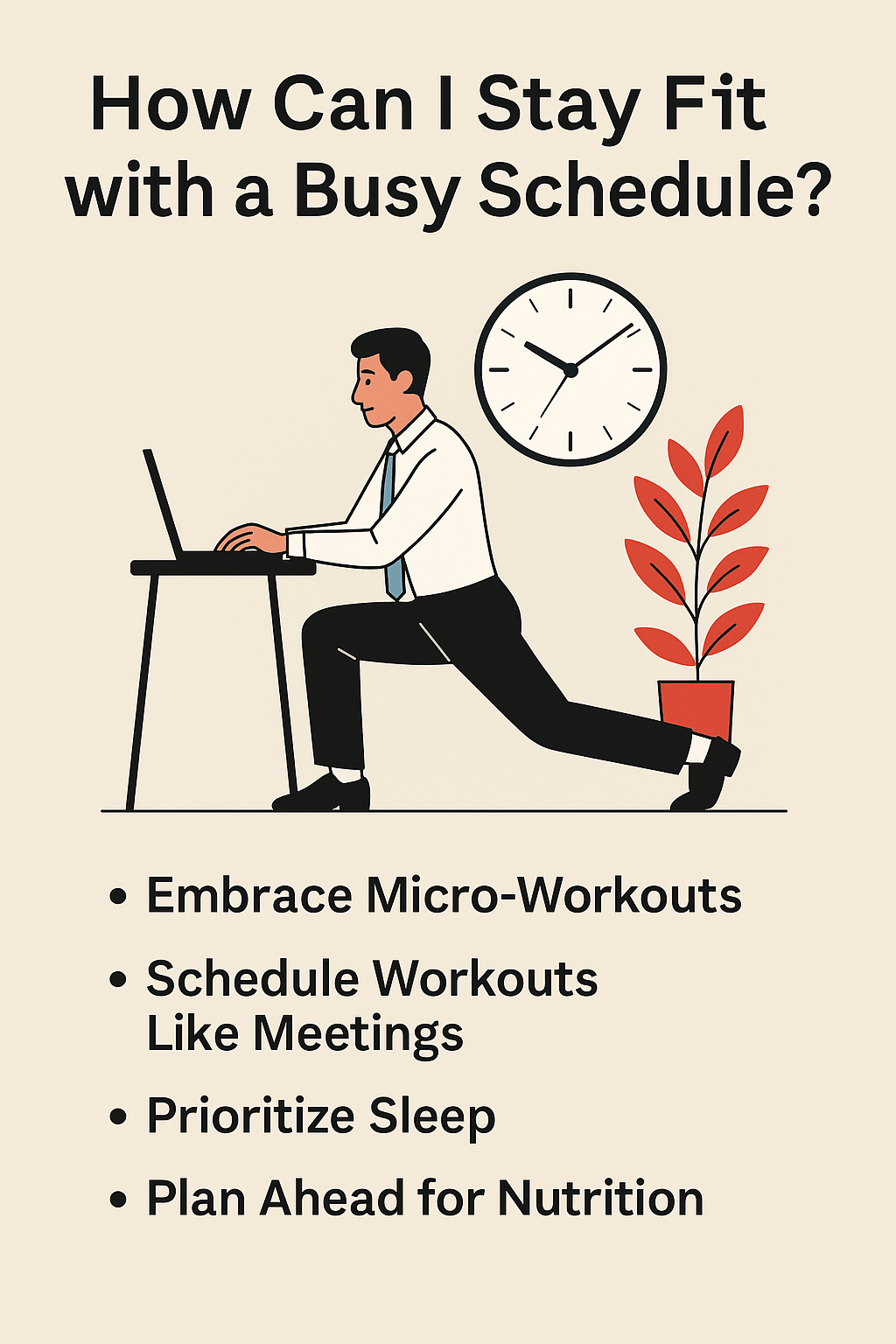
  • FAQ of the Day: How Can I Stay Fit with a Busy Schedule?

    FAQ of the Day: How Can I Stay Fit with a Busy Schedule?

    Q: I’m swamped with work and personal commitments. How can I possibly find time to stay fit?

    A: You’re not alone in this struggle. Many professionals grapple with balancing their health goals amidst demanding schedules. However, with strategic planning and a few adjustments, maintaining fitness is achievable.


    🕒 Time-Efficient Strategies for Fitness

    1. Embrace Micro-Workouts:
    You don’t need an hour-long session to reap the benefits of exercise. Short bursts of activity, even 10-minute intervals, can be effective. Consider:

    2. Incorporate Movement into Daily Tasks:
    Transform routine activities into fitness opportunities:

    • Opt for stairs over elevators
    • Conduct walking meetings
    • Stand or use a stability ball while workingjoplinchiro.comapnews.com

    3. Schedule Workouts Like Meetings:
    Treat your exercise time as non-negotiable appointments. Block out specific times in your calendar dedicated solely to physical activity.

    4. Utilize Weekends Wisely:
    If weekdays are packed, allocate time on weekends for longer workouts or engaging in physical activities you enjoy.


    🧘 Mindset and Recovery

    1. Prioritize Sleep:
    Quality sleep is foundational for recovery and overall well-being. Aim for 7-9 hours nightly to ensure your body recuperates effectively.joplinchiro.com+1humanfitproject.com+1

    2. Manage Stress:
    Chronic stress can hinder fitness progress. Incorporate relaxation techniques such as:


    🥗 Nutrition on the Go

    1. Plan Ahead:
    Prepare meals and snacks in advance to avoid resorting to unhealthy options.

    2. Smart Snacking:
    Keep nutritious snacks accessible, like:

    3. Stay Hydrated:
    Carry a water bottle to ensure consistent hydration throughout the day.


    🔄 Consistency Over Perfection

    Remember, it’s not about perfection but consistency. Even small, regular efforts can lead to significant health improvements over time.

  • Skill of the Day: Mastering Knife Skills for Cooking

    Skill of the Day: Mastering Knife Skills for Cooking

    Introduction
    Cooking isn’t just about recipes – it’s about the technique. One of the most valuable, time-saving skills any home cook or aspiring chef can master is knife skills. Whether you’re chopping veggies for a stir-fry or breaking down a whole chicken, knowing how to use a knife safely and efficiently transforms your cooking. Plus, it’s a skill you’ll use daily – and the improvement is noticeable (and satisfying).


    🔪 Why Knife Skills Matter

    Safety – Proper technique reduces the risk of accidental cuts.
    Efficiency – Chopping ingredients quickly and evenly saves time.
    Presentation – Even cuts make dishes look more professional and cook evenly.
    Confidence – Knowing how to handle a knife makes cooking more enjoyable and less stressful.


    🍅 Common Challenges (And How to Overcome Them)

    • Uneven cuts: Practice using the “claw grip” – tucking your fingertips and guiding the knife with your knuckles.
    • Dull knives: A sharp knife is safer than a dull one. Invest in a honing steel and sharpen your knives regularly.
    • Improper technique: Start with the basics – practice slicing, dicing, and mincing. Watch videos or take a quick class to build confidence.
    • Time pressure: Start slow. Speed comes with practice and muscle memory.

    📝 Step-by-Step Guide to Start

    1️⃣ Choose the right knife – A chef’s knife (8–10 inch) and a paring knife are essential.
    2️⃣ Learn basic grips – Master the “pinch grip” (pinching the blade between thumb and forefinger) and “claw grip” for safety.
    3️⃣ Practice key cuts

    • Julienne (matchstick cuts)
    • Dice (even cubes)
    • Mince (fine chopping)
    • Chiffonade (thin ribbons for herbs)
      4️⃣ Start slow, then build speed – Begin with soft veggies like cucumbers and tomatoes, then move to harder ones like carrots.
      5️⃣ Keep your station organized – Clean as you go, and have a damp towel under your cutting board to prevent slipping.

    🔥 Kaizen-Style Micro-Habits for Knife Skills

    • 5-minute daily drill: Practice slicing an onion or dicing a tomato – even one item daily builds muscle memory.
    • Sharpen your knife weekly: Invest 2 minutes in maintaining your blade.
    • Watch a knife skills video while cooking: Learn and practice at the same time.
    • Prep mise en place: Prepping all ingredients before cooking helps you focus on technique.

    🏆 Stay Consistent

    • Incorporate knife practice into your daily meal prep – it’s a natural, low-pressure way to improve.
    • Don’t rush – focus on control and technique first.
    • Challenge yourself: prep an entire meal using only knife work (no pre-cut veggies).

    🚀 Conclusion & Call to Action

    Knife skills are a gateway to more enjoyable, efficient, and confident cooking. Start small today: grab a chef’s knife, practice your grip, and commit to improving one cut. With consistency, you’ll be slicing and dicing like a pro in no time.

    💬 What’s one ingredient you’ll practice cutting today? Share below!