Category: Personal Development

  • Book of the Day: The Obstacle Is the Way by Ryan Holiday

    Book of the Day: The Obstacle Is the Way by Ryan Holiday

    The Obstacle Is the Way by Ryan Holiday is a modern manifesto for turning adversity into advantage. A cult classic embraced by athletes, entrepreneurs, and leaders, it offers a framework for overcoming the obstacles life inevitably throws at us . The core idea, drawn from ancient Stoic wisdom, is that how we respond to challenges defines us . As Marcus Aurelius wrote, “The impediment to action advances action. What stands in the way becomes the way.” Instead of seeing roadblocks as setbacks, Holiday shows that each obstacle can become an opportunity to practice virtue, build strength, and move forward .

    Key Takeaways: Stoic Strategies for Overcoming Obstacles

    Holiday’s method centers on three interrelated disciplines—Perception, Action, and Will —forming a reliable approach to any challenge. Here are five powerful ways to apply these principles immediately:

    Reframe Your Perspective: When faced with a problem, choose to see it objectively rather than with fear or frustration. Our perceptions can be a source of strength or weakness—there is no good or bad until we assign meaning to events . By staying calm and seeing things as they are (without exaggeration or panic), you can spot the opportunity hidden in each obstacle instead of feeling defeated .

    Focus on What You Can Control: Direct your energy only toward what you can change, and let go of the rest. Stoics teach that zeroing in on your own actions and attitudes (and not obsessing over external factors) greatly magnifies your power and effectiveness . When you stop wasting effort worrying about things outside your control, you free up mental bandwidth to solve the problem at hand more creatively and efficiently .

    Take Decisive Action: No amount of worry or theory will remove an obstacle—only deliberate action will . Holiday emphasizes directed, persistent effort: tackle the issue step by step, using ingenuity and courage rather than brute force . Even small wins build momentum. Don’t wait for perfect conditions or permission to start; as Holiday bluntly advises, stop waiting for a miracle and start looking for angles to make progress . In short, action is the antidote—boldly do what you can, and do it right now.

    See Failure as Feedback: Every setback is a lesson in disguise. “Failure shows us the way—by showing us what isn’t the way,” Holiday writes . Instead of interpreting failure as a permanent defeat, view it as valuable feedback. Each unsuccessful attempt reveals what to adjust or avoid next time (recall Thomas Edison’s 10,000 “ways that won’t work”). Adopting this attitude turns failures into data points on the path to success, keeping you resilient and motivated to try new approaches until you triumph .

    Build Inner Resilience (Will): Some challenges can’t be changed; they can only be endured and met with character. Holiday encourages building an “Inner Citadel” of strength that no external adversity can break . This means preparing yourself mentally to handle hard times and choosing to find meaning in hardship rather than despair. For example, Abraham Lincoln endured lifelong bouts of depression yet used that suffering to develop profound patience, humility, and compassion in service of a cause greater than himself . By cultivating quiet endurance, humility, and faith that “this too shall pass,” you fortify your will . With a resilient mindset, even the worst trials become fuel for growth.

    Embrace the Obstacle – Closing Thoughts

    In essence, The Obstacle Is the Way reframes life’s difficulties as the raw material for greatness. Obstacles are not roadblocks to success—they are the path to success. Every challenge provides a chance to practice excellence and strengthen yourself . As Holiday summarizes: “See things for what they are. Do what we can. Endure and bear what we must.” Adopt this mindset, and the obstacles that once intimidated you will become stepping stones on your journey of self-mastery.

  • 🌱 Daily Kaizen: Ask One Curious Question Today

    🌱 Daily Kaizen: Ask One Curious Question Today

    Most conversations are just noise.

    But one genuine question can change a relationship, a room — even a life.

    Today, pause before you talk.

    Ask one person something that actually matters:

    “What’s been on your mind lately?” “What’s something you’re excited about?” “What would you do if you weren’t afraid?”

    Then listen — fully. No waiting to speak. No fixing. No judgment.

    Curiosity is a superpower.

    It makes people feel seen.

    And seen people never forget you.

    🧠 Be interested, not just interesting. That’s how you stack connection.

  • 🎯 Skill of the Day: How to Make an Unforgettable First Impression

    🎯 Skill of the Day: How to Make an Unforgettable First Impression

    You never get a second chance to make a first impression.

    Within 7 seconds, people decide if you’re worth listening to.

    That means before you say anything meaningful, they’ve already judged your:

    Confidence Competence Energy Respect

    The good news? This is a trainable skill. And mastering it opens doors.

    🔑 1. Own the Room Before You Speak

    Posture is your handshake before your handshake.

    Stand tall. Shoulders relaxed. Chin up. Make eye contact with calm steadiness — not aggression.

    Body language is processed faster than speech. If your body says “uncertain,” your words won’t matter.

    🧠 2. Lead With Listening, Not Talking

    People remember how you made them feel — not what you said.

    Let them speak first. Ask a question. Hold eye contact. Nod with intention.

    Confidence is quiet. Curiosity is magnetic.

    💬 3. Speak 10% Slower Than Feels Natural

    Slowing your speech makes you sound more:

    Intentional Calm Authoritative

    It also makes others lean in. Fast talk signals nerves. Deliberate pacing builds presence.

    🪞 4. Mirror Their Energy — Then Lead It

    Match their volume and tone for the first 30 seconds. Then raise or lower the energy just slightly. This establishes subtle control — and people feel seen, not steamrolled.

    🧠 5. Anchor With a Phrase or Insight

    Leave them with a single takeaway. A story. A sharp line. A question they’ll think about later.

    People don’t remember details — they remember impact.

    🧱 Build the Habit

    Practice 1:

    Walk into a room today with shoulders back, eyes up, and calm breathing.

    Say nothing for 3 seconds. Then greet someone with a question instead of a statement.

    Practice 2:

    Record yourself saying hello and introducing yourself. Watch it back.

    Are you commanding attention — or asking for it?

    ⚔️ Final Thought

    An unforgettable first impression doesn’t require charisma.

    It requires intention.

    Train this skill and people won’t just remember your name — they’ll lean in when you speak.

  • 🗣️ Skill of the Day: How to Speak So People Actually Listen

    🗣️ Skill of the Day: How to Speak So People Actually Listen

    Tired of being ignored, misunderstood, or tuned out?

    Being a great speaker isn’t about volume or charisma—it’s about clarity, intent, and emotional control. Speaking well is a skill, and today, we’re going to break down how to master it.

    🧠 1. Start with One Clear Intent

    Before you speak, ask yourself:

    “What’s the one message I want them to take away?”

    Cut the fluff. No one remembers rambling. One clear takeaway will always land harder than a tangled mess of ideas.

    ⏱️ 2. Speak Slower Than Feels Natural

    Speed kills attention.

    When you slow your speech by just 10–20%, it does 3 things:

    Increases clarity Projects calm confidence Makes your words feel intentional

    Pro tip: Pause for half a second between major ideas. Let it land.

    👂 3. Use the “Lean-In” Effect

    Don’t try to fill every silence. Sometimes the most powerful thing you can say is… nothing.

    Strategic pauses make people lean in.

    Silence builds tension and forces attention back on you. Own the space.

    💥 4. Punch With the Last Word

    Always land your most powerful word at the end of a sentence.

    Compare:

    “This is a powerful idea.”

    vs.

    “This idea is powerful.”

    The second one hits.

    🤝 5. Mirror Their Energy, Then Lead

    If you’re too hyped for a calm crowd, you’ll seem fake.

    Match their emotional tone for the first few seconds, then slowly raise the energy once you’ve got their trust.

    This is how charisma is built in real time.

    🔁 Practice Drill: The 60-Second Breakdown

    Choose a topic. Record yourself explaining it in under 60 seconds.

    Watch it back Cut the fluff Tighten the pace Re-record until it lands clean

    Do this 5x per week and you’ll be shocked how fast you improve.

    🔥 Final Thought

    People don’t listen to noise. They listen to signal.

    Train this skill and you won’t just sound confident—you’ll become someone worth listening to.

  • Good Energy by Dr. Casey Means: Unlocking Your Metabolic Power

    Good Energy by Dr. Casey Means: Unlocking Your Metabolic Power

    Why Metabolic Health Matters. What if the most common health woes – diabetes, heart disease, infertility, depression, even Alzheimer’s – all trace back to one root cause? In Good Energy, Dr. Casey Means argues just that: our metabolic health (how well our cells produce energy) underlies nearly every aspect of wellnessnaturalwomanhood.orgnpr.org. Poor diet, chronic stress, too little movement and sleep all “decimate” our cellular powerhouses (mitochondria) and create “bad energy,” inflammation and diseasenaturalwomanhood.orgnpr.org. Conversely, “good energy” is about fueling our cells so we have ample vitality – much like filling a Ferrari with premium gasnpr.orgnaturalwomanhood.org. By reframing health this way, Means shows that taking charge of diet, sleep, exercise and environment lets us prevent or even reverse chronic conditions.

    Poor metabolic health is linked to many modern ailments; “good energy” means supporting our cells with the right fuel and lifestyle inputsnaturalwomanhood.orgnpr.org.

    Key Metabolic Insights. Means distills her message into clear, actionable ideas. For example, she highlights that poor energy production at the cellular level is a root cause of many diseases – from type 2 diabetes to depression and dementiaventurebookclub.com. The book emphasizes five key biomarkers (blood sugar, triglycerides, blood pressure, waist size, and fasting glucose) that often creep up before serious disease appearsventurebookclub.comhubermanlab.com. Tracking these (through lab tests or home monitors) lets us intervene early. Modern tools like continuous glucose monitors (CGMs) and wearable trackers now let anyone “DIY” their metabolic health – seeing in real time how meals, stress, and sleep affect their glucose, heart rate and other metricsventurebookclub.comnpr.org. By paying attention to data (from blood tests or devices), we can make informed tweaks and see immediate feedbacknpr.orgnaturalwomanhood.org.

    • Diet Simplified: Instead of fad diets, Means offers six universal nutrition principles (eat whole foods, fiber, quality protein, healthy fats, etc.) that apply whether you’re vegan, keto, or omnivoreventurebookclub.com. In practice, this means filling your plate with non-starchy vegetables, lean proteins and fibrous plant foods, and cutting ultra-processed “empty calories.” She warns that processed foods, excess sugar and chronic snacking overload cells and produce “bad energy,” fueling inflammationnaturalwomanhood.org. A key tip: aim for fiber-rich, nutrient-dense meals (think vegetables, nuts, seeds, legumes) to keep glucose steady and mitochondria happy.
    • Sleep & Circadian Rhythm: Good sleep is non-negotiable. Means reminds us that metabolic processes follow a daily clock – if we ignore natural light/dark cycles by sleeping poorly or staying up too late, our energy suffersventurebookclub.com. For busy professionals, that means a regular bedtime and waking to daylight. Even small steps help: try to get morning sunlight within an hour of waking to set your clock, and wind down screen time before bed. Well-aligned sleep improves hormones, insulin sensitivity and energy levelsventurebookclub.com.
    • Movement Over Workouts: You don’t need a fancy gym routine. Instead, Means recommends micro-movements and breaking up sitting time. In med school she found sitting all day “diminished… well-being,” and she championed standing desksnpr.org. For most people, simply taking short walks, doing desk stretches or standing meetings can dramatically improve circulation and burn glucose. The goal is “easy movement throughout the day”venturebookclub.com. (Tip: set a timer to stand or walk 5 minutes every hour, or walk around during phone calls.)
    • Stress & Exposure: Controlled stressors – like cold showers or sauna visits – can actually make mitochondria more resilientventurebookclub.com. Cold exposure in particular is highlighted as a way to boost metabolism and stress tolerance (start with 30 seconds of cold water at the end of a shower, working up). At the same time, chronic stress (the hormone cortisol) acts like “biochemical fear” that raises inflammation. So Means advises simple stress management: brief daily breathing exercises, spending time outdoors (lightly stressed natural environments boost recovery), and reducing toxin exposures in your home (clean air, safer cleaning products)naturalwomanhood.orgventurebookclub.com.
    • Practical Monitoring: A big theme is measure to manage. She not only walks through how to interpret standard labs (fasting glucose, lipid panels, A1c, etc.) but also urges using consumer tech. “Tracking biomarkers” is a cornerstone – from wearing a sleep tracker or fitness band, to logging blood glucose and even daily bitesnpr.orgnaturalwomanhood.org. For example, a CGM can reveal which snack spikes your sugar and keeps you sluggish. By gathering data – as simple as noting when you feel low on energy – you become proactive. Dr. Means even co-founded a company (Levels) based on CGMs for health tracking, underscoring the belief that tracking is empoweringnpr.orgnpr.org.

    Putting Good Energy into Action. The latter part of Good Energy is a playbook for busy people. Means breaks changes into a four-week plan so you aren’t overwhelmednaturalwomanhood.org. Week 1 starts with an audit: identify your biggest “bad energy” habits (late-night screen time, constant snacking, sitting all day). Then, focus on one domain at a time. For example, in Week 2 try revamping one meal per day (add vegetables, eliminate sugary drinks). Next, introduce movement breaks (a short walk after lunch) and light hacks (sit by a window or take morning sunshine). Subsequent weeks layer on sleep routines (consistent wake-time) and environmental tweaks (cutting back on household toxins, improving air quality). Because changes are incremental, it’s sustainable – you won’t feel burdened by a huge overhaulnaturalwomanhood.org. She even provides checklists and simple recipes to get started.

    Tools like glucometers, lab panels or wearables can make “good energy” tangible: Means shows how tracking blood sugar, lipids and other markers helps busy people see the impact of diet and lifestyle on their metabolic healthnpr.orgnaturalwomanhood.org.

    Simple Habits for Busy Lives. To translate Good Energy into everyday life, try these evidence-backed tweaks:

    • Fiber-First Meals: Load 50% of your plate with vegetables or salad. Fiber blunts glucose spikes and feeds gut bacteria that support mitochondria. For example, add legumes, greens or berries to breakfast or snacks.
    • Stand & Move: Set an alarm to stand or stretch every 30–60 minutes. Even 2 minutes of walking or marching in place every hour can improve circulation and energy.
    • Bright Light: Spend 5–10 minutes in natural morning light. This small habit helps regulate your circadian rhythm for better sleep and daytime alertness.
    • Prioritize Protein & Healthy Fats: Each meal should have some protein (eggs, yogurt, nuts, beans) and healthy fats (olive oil, avocado, nuts) to stabilize blood sugar. This prevents the crashes that leave you feeling drained.
    • Limit Evening Snacking: Try to finish eating 2–3 hours before bedtime. Late-night carbs or screen time can disrupt sleep hormones. A calmer evening routine (herbal tea, reading) fuels better recovery.
    • Cold Exposure: End one shower per week with 30 seconds of cold water, or try a quick cold plunge. This can boost metabolism and stress resilience over timeventurebookclub.com.
    • Track One Metric: Pick a marker to monitor (e.g. check your fasting glucose or energy level each morning). Awareness itself can motivate changes. If feasible, use a glucose monitor for a week to identify your body’s triggers.

    By weaving these small habits into a hectic schedule, even an ambitious professional can steadily build “good energy.”

    Takeaway. Good Energy reminds us that feeling vibrant isn’t just luck – it’s a matter of science and choices. Metabolic health sits at the heart of wellbeing, and is largely under our control. Dr. Casey Means offers a roadmap: optimize what you eat and do each day to fuel your cells, monitor key health markers, and align habits with your natural rhythmsnpr.orgnaturalwomanhood.org. Start by reflecting on your own “energy leaks” and commit to one change this week (for instance, swapping soda for water, adding a brisk 5-minute walk, or turning off devices earlier). Small, consistent shifts can add up to lasting gains. Your body is like an engine – give it clean fuel, tune it often, and it will reward you with boundless energy.

    Ready to take control of your energy? Think about one habit you can tweak today. Maybe it’s a walk after lunch, a veggie-loaded dinner, or a consistent bedtime. Try it for a week and notice how you feel – then build on that momentum. Good Energy is not just theory, but a practical guide: use it as inspiration to design a lifestyle that truly powers your potentialnaturalwomanhood.orgnpr.org.

    Sources: Key ideas drawn from Good Energy by Casey Means, MD and co-author Calley Meansnaturalwomanhood.orgnpr.orgnaturalwomanhood.orgnpr.orgventurebookclub.comnaturalwomanhood.org, as highlighted in expert summaries and reviews of the book.

  • Skill of the Day: Mastering Knife Skills for Cooking

    Skill of the Day: Mastering Knife Skills for Cooking

    Introduction
    Cooking isn’t just about recipes – it’s about the technique. One of the most valuable, time-saving skills any home cook or aspiring chef can master is knife skills. Whether you’re chopping veggies for a stir-fry or breaking down a whole chicken, knowing how to use a knife safely and efficiently transforms your cooking. Plus, it’s a skill you’ll use daily – and the improvement is noticeable (and satisfying).


    🔪 Why Knife Skills Matter

    Safety – Proper technique reduces the risk of accidental cuts.
    Efficiency – Chopping ingredients quickly and evenly saves time.
    Presentation – Even cuts make dishes look more professional and cook evenly.
    Confidence – Knowing how to handle a knife makes cooking more enjoyable and less stressful.


    🍅 Common Challenges (And How to Overcome Them)

    • Uneven cuts: Practice using the “claw grip” – tucking your fingertips and guiding the knife with your knuckles.
    • Dull knives: A sharp knife is safer than a dull one. Invest in a honing steel and sharpen your knives regularly.
    • Improper technique: Start with the basics – practice slicing, dicing, and mincing. Watch videos or take a quick class to build confidence.
    • Time pressure: Start slow. Speed comes with practice and muscle memory.

    📝 Step-by-Step Guide to Start

    1️⃣ Choose the right knife – A chef’s knife (8–10 inch) and a paring knife are essential.
    2️⃣ Learn basic grips – Master the “pinch grip” (pinching the blade between thumb and forefinger) and “claw grip” for safety.
    3️⃣ Practice key cuts

    • Julienne (matchstick cuts)
    • Dice (even cubes)
    • Mince (fine chopping)
    • Chiffonade (thin ribbons for herbs)
      4️⃣ Start slow, then build speed – Begin with soft veggies like cucumbers and tomatoes, then move to harder ones like carrots.
      5️⃣ Keep your station organized – Clean as you go, and have a damp towel under your cutting board to prevent slipping.

    🔥 Kaizen-Style Micro-Habits for Knife Skills

    • 5-minute daily drill: Practice slicing an onion or dicing a tomato – even one item daily builds muscle memory.
    • Sharpen your knife weekly: Invest 2 minutes in maintaining your blade.
    • Watch a knife skills video while cooking: Learn and practice at the same time.
    • Prep mise en place: Prepping all ingredients before cooking helps you focus on technique.

    🏆 Stay Consistent

    • Incorporate knife practice into your daily meal prep – it’s a natural, low-pressure way to improve.
    • Don’t rush – focus on control and technique first.
    • Challenge yourself: prep an entire meal using only knife work (no pre-cut veggies).

    🚀 Conclusion & Call to Action

    Knife skills are a gateway to more enjoyable, efficient, and confident cooking. Start small today: grab a chef’s knife, practice your grip, and commit to improving one cut. With consistency, you’ll be slicing and dicing like a pro in no time.

    💬 What’s one ingredient you’ll practice cutting today? Share below!

  • 5 Key Lessons from The 7 Habits of Highly Effective People

    5 Key Lessons from The 7 Habits of Highly Effective People

    Introduction
    Stephen R. Covey’s The 7 Habits of Highly Effective People is a worldwide bestseller (30+ million copies sold) and a cornerstone in personal development literaturebookey.app. The book distills timeless principles of effectiveness – covering proactive behavior, clear goal-setting, smart prioritization, mutual benefit in relationships, empathic communication, synergy, and continuous self-improvementfranklincovey.com. For busy professionals, these habits offer powerful, actionable lessons to boost productivity and personal growth. In this post, we focus on five of Covey’s most universally applicable habits and how you can apply each one in daily life. These key lessons will help you take charge of your schedule, work with purpose, improve your relationships, and avoid burnout. Let’s dive in!

    1. Be Proactive (Take Initiative and Responsibility)

    What it means: “Be Proactive” is Covey’s first habit and the foundation for all the others. It’s about taking responsibility for your life and actions instead of blaming circumstances. In practice, being proactive means you focus your time and energy on what you can control and influence rather than worrying about things outside your controlfranklincovey.com. Covey emphasizes that proactive people choose their responses consciously and make things happen instead of waiting to be acted uponfranklincovey.com. This mindset shift – from reactive to proactive – puts you in the driver’s seat of your life.

    Why it matters: When you’re proactive, you feel more empowered and less stressed. You realize that while you can’t control everything, you can control how you respond. This habit builds the confidence to initiate change and tackle challenges head-on. It’s especially vital for busy professionals: rather than reacting to every email or crisis, you take charge of your agenda and outcomes. Proactivity is contagious too – it encourages a culture of accountability and initiative in teamsfranklincovey.com. Essentially, Be Proactive is about recognizing that you are “response-able” (able to choose your response) and that your decisions shape your effectiveness. It’s the first step toward personal leadership.

    How to apply it:

    • Focus on your Circle of Influence: Direct your efforts toward issues you can actually do something about – for example, improving a skill or solving a work problem – and let go of unproductive worry over things you can’t changefranklincovey.com.
    • Use proactive language: Pay attention to your words and thoughts. Replace “I can’t” or “I have to” with “I can” or “I will.” This subtle shift reinforces that you have a choice in each situationfranklincovey.com.
    • Take initiative each day: Don’t wait to be told what to do. Whether it’s starting a project you’ve been postponing or reaching out to a client proactively, seize the opportunity to move things forward without waiting for perfect conditions.

    2. Begin with the End in Mind (Have a Clear Vision)

    What it means: To “Begin with the End in Mind” is to start any task, project, or day with a clear vision of your desired outcome. Covey explains that if you don’t consciously decide what you want in life – your goals, values, and direction – you allow circumstances or others to shape your destinyfranklincovey.com. In other words, all things are created twice: first mentally, then physically. This habit is about defining what success looks like for you (whether in a meeting, a project, or your life as a whole) and then planning how to achieve it. It encourages you to clarify your principles and goals upfront so you’re not climbing the ladder only to realize it’s “leaning against the wrong wall”franklincovey.com.

    Why it matters: In the rush of a busy professional life, it’s easy to get caught up in day-to-day urgencies and lose sight of the big picture. Beginning with the end in mind ensures that your daily actions align with your long-term purpose and values. Covey warns that it’s all too easy to work hard and “achieve” a bunch of milestones that ultimately don’t fulfill youfranklincovey.com. Having a clear end in mind acts as a compass – it guides your decisions, helps you prioritize what truly matters, and gives meaning to your work. This clarity not only boosts motivation but also prevents the regret of realizing you’ve pursued the wrong goals. For example, if your “end” is to build a successful product that improves customers’ lives, keeping that vision front and center will inform how you plan your projects and allocate your time.

    How to apply it:

    • Create a personal mission statement: Take time to write down your core values and long-term objectives. Covey suggests crafting a personal mission statement as “your own personal constitution” to clarify who you want to be and what you want to achievefranklincovey.com. This can serve as a guiding star for major decisions.
    • Visualize success for every project: Before starting a project or even a meeting, pause and imagine the ideal outcome. Ask yourself, “What do I want to accomplish here?” By defining success at the start, you can reverse-engineer the steps to get there.
    • Set goals with the end in mind: Break down your vision into concrete goals (yearly, monthly, weekly). Ensure your weekly plans include actions that move you toward those meaningful goals, not just tasks that keep you busy. Regularly check in: Are you spending time on what truly matters to your desired results?

    3. Put First Things First (Prioritize Important Over Urgent)

    What it means: “Put First Things First” is the practical fulfillment of Habit 2. It’s about prioritization and time management – organizing your day-to-day activities to focus on what’s truly important. In Covey’s terms, this means differentiating between what’s important and what’s merely urgent. Important things are those that contribute to your values and long-term goals; urgent things call for immediate attention (like ringing phones or last-minute requests) but aren’t always meaningful. Habit 3 is about “protecting time for what’s most important to us.”franklincovey.com It requires discipline to say no to distractions and lesser priorities so you can say yes to the tasks and people that align with your “end in mind.” In short, schedule your priorities before your priorities get overwhelmed by your schedule.

    Why it matters: For a busy professional, the day can easily become a blur of back-to-back meetings, emails, and crises – you feel productive for handling them, but did you actually make progress on your key goals? Covey argues that effective people are driven by importance rather than urgency. By putting first things first, you ensure that the critical projects, strategic planning, and personal growth activities don’t get perpetually postponed by daily firefighting. This habit reduces stress, because you’re not constantly scrambling at the last minute – you’ve proactively made space for high-value work. It also increases your effectiveness: working on important tasks when you’re most fresh (for example, tackling a key project in the morning) means you produce better results. As Covey famously said, “The key is not to prioritize what’s on your schedule, but to schedule your priorities.”goodreads.com In other words, plan your week so that your top priorities get the time and attention they deserve.

    How to apply it:

    • Identify your top priorities: At the start of each week (or day), list the 2–3 most important outcomes you need to achieve – those that align with your big goals. Make these your “first things.”
    • Block time for important tasks: Proactively schedule time on your calendar for your priority work before other less critical stuff fills your day. Treat these time blocks as non-negotiable appointments with yourself to work on high-impact activities.
    • Learn to say no (tactfully): Guard your time. If a request or interruption comes that isn’t important in the long run, be willing to say no or delegate it. Every time you say yes to something unimportant, you may be saying no to a truly important task. Keep Covey’s advice in mind and stay focused on “keeping the main thing the main thing.”
    • Use a planning system: Whether it’s a digital app or a paper planner, use tools to prioritize tasks by importance and urgency. Covey’s Time Management Matrix (urgent vs. important) can help – aim to spend more time in Quadrant II (important but not urgent activities like strategic planning, relationship building, exercise) and reduce time in other quadrants. This ensures you’re investing in things that pay off long-term rather than just putting out fires.

    4. Seek First to Understand, Then to Be Understood (Listen Before You Speak)

    What it means: Habit 5, “Seek First to Understand, Then to Be Understood,” is all about empathic communication. In simple terms, it means listen before you talk. Covey points out that we typically spend years learning how to read, write, and speak, but we rarely learn how to truly listenfranklincovey.com. Our default is to rush to get our point across – often interrupting or formulating responses in our head while the other person is still talking. This habit asks you to do the opposite: focus on understanding the other person’s perspective fully before expressing your own. It’s based on the principle of respect and empathy. Practicing Habit 5 involves listening with the intent to really understand – not just hearing words, but grasping the feelings and meaning behind them. Only after you’ve sincerely understood the other person do you then seek to be understood by sharing your view. Covey calls this “empathetic listening,” as opposed to listening autobiographically (with our own frame of reference)franklincovey.com.

    Why it matters: In any professional environment (and personal relationships too), communication is key. Misunderstandings and conflicts often arise because people aren’t truly listening to each other. By seeking first to understand, you build trust and rapport. Colleagues and clients feel respected and heard, which makes them more open to hearing your side. Covey even noted that if he were to summarize the single most important principle in human relationships, it would be exactly this habitfranklincovey.com. For busy professionals, Habit 5 can transform teamwork and leadership: you’ll make better decisions when you’ve understood all viewpoints, and you’ll solve the right problems because you took time to discern others’ needs. Moreover, when it’s your turn to speak, others are more likely to listen to you in return – because you’ve earned credibility as someone who listens. It’s a win-win for communication and effectiveness.

    How to apply it:

    • Practice active listening: When someone else is speaking, give them your full attention. Put away distractions (close your laptop, silence your phone) and maintain eye contact. Use encouraging body language (nod, smile) and interject only to clarify, not to shift to your own agenda.
    • Listen to understand, not to reply: Train yourself to not immediately mentally rebut or form a response. Instead, try to paraphrase what the other person said once they finish, e.g., “So if I’m hearing correctly, your concern is…”. This forces you to truly process their words and shows them you value their perspective.
    • Empathize with their feelings: Pay attention not just to what is said, but how it’s said. Tone of voice and body language carry meaning. Acknowledge emotions by saying things like, “I can sense you’re frustrated about this deadline.” Validating someone’s feelings helps them feel understood, which is crucial before you offer solutions or your own viewpoint.
    • Then share your perspective clearly: After – and only after – you’ve thoroughly understood the other side, present your ideas or feedback. When you do, frame your points with respect to their needs. For example, “Given what you’ve told me, I think option X might address your concern about quality while also meeting the timeline.” By connecting your message to their perspective, you’re more likely to be understood in return.

    5. Sharpen the Saw (Invest in Self-Renewal)

    What it means: The phrase “Sharpen the Saw” comes from a simple analogy: if you were cutting wood, a sharp saw would cut faster and better than a dull one. In Covey’s terms, you are the saw – your mind, body, skills, and spirit are the tools through which you accomplish everything. Habit 7, Sharpen the Saw, is about preserving and enhancing your greatest asset: yourselffranklincovey.com. It emphasizes the importance of continuous self-improvement and self-care. Covey urges us to seek balance in what he calls four dimensions of renewal: Body, Heart, Mind, and Spiritfranklincovey.comfranklincovey.com. In practice, this means regularly renewing your physical energy, nurturing your relationships and emotional well-being, expanding your knowledge and skills, and connecting with your values or spirituality. By “sharpening” these saws, you increase your capacity to handle life’s challenges and effectively practice the other habitsfranklincovey.com. Simply put, you can’t be highly effective if you’re running yourself ragged; you must pause to recharge and continuously grow.

    Why it matters: Busy professionals often struggle with this – it’s tempting to cut more logs (get more work done) without stopping to sharpen the saw (rest and improve). But neglecting self-renewal leads straight to burnout and declining effectiveness. Covey warns that without regular renewal, we’ll soon face exhaustion and diminished performancefranklincovey.com. On the flip side, investing time in yourself boosts your productivity, creativity, and overall well-being. For example, a well-rested mind can solve problems faster, and an educated mind brings more innovation to work. Regular exercise can give you more energy at the office. Strong relationships and a sense of purpose provide motivation and resilience during tough times. By sharpening the saw, you’re building the capacity to juggle a busy life successfully. This habit is a reminder that “me time” is not a luxury; it’s a necessity for sustainable success. Effective people continually seek to learn, adapt, and renew themselves so they can keep performing at a high level.

    How to apply it:

    • Physical renewal (Body): Prioritize your health. Schedule routine exercise that you enjoy – even a daily walk or a gym class. Get adequate sleep and pay attention to nutrition. When you’re healthy and energized, you can handle stress and work longer with better focus.
    • Social/Emotional renewal (Heart): Nurture your relationships. Make time for family and friends despite your busy schedule – a quick coffee with a friend or an evening with loved ones can rejuvenate you emotionally. Also, practice gratitude or journaling to keep a positive emotional state.
    • Mental growth (Mind): Continuously learn new things. Read books or articles outside of your immediate job to broaden your horizons. Attend a workshop, take an online course, or simply learn from a colleague. Keeping your mind sharp and curious will enhance your creativity and problem-solving abilities.
    • Spiritual well-being (Spirit): Connect with what inspires you and gives you purpose. This could be meditation, prayer, spending time in nature, or engaging in a hobby that you’re passionate about. Reflect on your values regularly – this ensures your work aligns with a deeper sense of meaning.
    • Schedule downtime: Just as you plan work tasks, plan your renewal activities. Set aside small blocks of “saw sharpening” time each day or week – whether it’s 30 minutes of reading, a workout session, or a quiet morning routine. Treat this time as sacred. By doing so, you’ll come back to your work recharged and more effective. Remember Covey’s principle: renewal is what keeps you on an “upward spiral” of growth, continually improving rather than stagnatingfranklincovey.com.

    Conclusion & Call to Action
    Covey’s five habits above – Be Proactive, Begin with the End in Mind, Put First Things First, Seek First to Understand, and Sharpen the Saw – are powerful lessons that can transform your professional and personal life. They encourage you to take charge of your priorities, clarify your vision, communicate better, and take care of yourself, all of which lead to greater effectiveness and fulfillment. The key is to apply these principles consistently. Change doesn’t happen overnight, but step by step you’ll build these habits into your routine.

    Now, here’s your challenge: Pick one habit from the list and start practicing it today. For example, you might begin by being proactive about a lingering issue at work, or by scheduling your top priority first thing tomorrow morning. Commit to focusing on that one habit for the next week. Write it down, remind yourself daily, and notice the difference it makes. Once you’ve made progress, add the next habit. Over time, these positive practices will compound, and you’ll find yourself becoming more organized, motivated, and effective.

    Remember, knowledge without action is meaningless. So take action now – be proactive and implement these lessons in your life. Your future self (and your colleagues and loved ones) will thank you for it. Here’s to your personal growth and success! 🚀

  • Daily Kaizen: One Tiny Change

    Daily Kaizen: One Tiny Change

    “Small hinges swing big doors.”

    Today’s Kaizen is simple but powerful: Pause before you reply.

    Before your next response – whether in a meeting, a text, or a face-to-face chat – take a slow breath, count to three, and let silence fill the gap. It gives your brain time to process, shows respect to the speaker, and transforms reactive habits into intentional choices.

    Do this just once today. Feel the shift.

    💬 What one conversation will you practice this with?

  • Mastering Active Listening: A Busy Professional’s Guide to Better Communication and Relationships

    Mastering Active Listening: A Busy Professional’s Guide to Better Communication and Relationships

    Introduction

    In a world full of distractions and rapid-fire conversations, truly listening has become a superpower. Many of us nod along in meetings or conversations, thinking we’re good listeners. Yet how often do we walk away missing key points or making someone feel unheard? This is where active listening comes in. It’s more than just hearing words – it’s an intentional way of engaging that can transform how we connect with colleagues, clients, friends, and family. Busy professionals and growth-minded individuals will find that honing this skill pays off in stronger relationships, fewer misunderstandings, and better outcomes in both work and life. Let’s explore what active listening really means, why it’s so valuable, and how you can start mastering it today.

    What Is Active Listening and Why It Matters

    Active listening goes beyond passively hearing the speaker; it means fully attuning to their words, tone, and body language to truly understand the messagefundbox.com. Think of it as listening on purpose: you’re not just absorbing information like a sponge, but responding and interacting – almost like a trampoline that gives energy and feedback to the speakerfundbox.com. This two-way engagement signals to the other person that you genuinely care about what they’re saying.

    Why is this skill so valuable? For one, active listening is a cornerstone of effective communication and trust-building. When people feel truly heard, it has a powerful effect. Research indicates that when we actively listen, the person speaking feels understood and secure, which builds trust and increases empathy in the relationshipextension.usu.edu. In professional settings, leaders who listen actively create an environment where team members feel valued, leading to stronger engagement and loyalty. In fact, demonstrating listening as a leader directly helps build trust and commitment on teamspmc.ncbi.nlm.nih.govfundbox.com. On the flip side, active listening also prevents problems – it reduces misunderstandings and errors that arise when we only half-listenfundbox.com. Whether you’re resolving a conflict or collaborating on a project, the ability to listen well makes the difference between a positive outcome and a frustrating miscommunication. In short, active listening is the bedrock of great relationships and effective teamwork, making it a must-have skill in your professional toolkit and personal life.

    Common Active Listening Mistakes to Avoid

    Even with the best intentions, many people slip into bad listening habits that undermine communication. Here are some common mistakes that can sabotage active listening, and why you should avoid them:

    • Interrupting or jumping to conclusions: Finishing someone’s sentences or cutting them off is a quick way to make a speaker feel frustrated and ignored. It also means you might miss important details by assuming you know their point. Good listeners wait for the speaker to finish and resist the urge to interject, which avoids misunderstandings and shows respectlinkedin.com.
    • Giving unsolicited advice or solutions: Jumping in with advice before someone has fully expressed themselves can make them feel judged or defensive. Often people just want to be heard, not fixed. If you immediately offer feedback that wasn’t asked for, it may discourage the speaker from opening uplinkedin.com. Instead, practice empathy first—ask if they want help or simply a listening ear.
    • Getting distracted (multitasking): It’s a mistake to think you can check your email or phone and still listen effectively. Multitasking or letting your mind wander sends the message that the speaker’s words aren’t important. This can make them feel unimportant or disrespectedlinkedin.com. Avoid this by eliminating distractions – put your phone away, close your laptop, and give the person your full attention.
    • Being biased or defensive: If you listen with a filter – for example, already formulating a rebuttal or judging what’s being said – you’re not truly listening. Letting your biases, ego, or emotions take over can make the speaker feel attacked or dismissed. It also means you might miss their actual message. Stay open-minded and non-judgmental, even if you disagree. As experts note, recognizing your own assumptions and focusing on understanding (rather than debating) fosters a much more productive dialoguelinkedin.com.

    Avoiding these pitfalls is the first step toward better listening. By being aware of them, you can catch yourself in the moment (e.g. “Oops, I’m about to interrupt – let me stay quiet and listen”). Now, let’s look at how active listening can tangibly improve your relationships and results.

    How Active Listening Improves Relationships and Results

    One of the greatest benefits of active listening is its positive impact on both personal and professional relationships. When you make someone feel heard, you’re doing more than just exchanging information – you’re strengthening the connection.

    In personal relationships, practicing active listening leads to deeper understanding and trust between partners, friends, or family members. Studies have shown that couples who practice active listening and empathy report higher relationship satisfaction and lower conflict levelspsychologytoday.com. By listening attentively to your loved one’s concerns or stories (instead of planning your comeback or checking your phone), you validate their feelings and show that you care. This can diffuse tensions and prevent small issues from escalating. Being a good listener with those close to you creates a safe space where they feel comfortable sharing – ultimately fostering intimacy and mutual respect.

    In professional settings, active listening can be a game-changer for your career. Clear communication is consistently ranked as a top leadership skill, and listening is half of communication. When you actively listen to colleagues, clients, or employees, you build rapport and signal respect. Coworkers and team members are more likely to trust and cooperate with a leader or peer who listens to them. In fact, teams with leaders who actively listen report significantly higher engagement and job satisfactionpsico-smart.com. Clients and customers, too, feel valued when you take the time to understand their needs fully. For example, in customer service or sales roles, listening attentively can boost customer satisfaction by around 28%psico-smart.com – often making the difference in earning loyalty or closing a deal. Furthermore, by listening well, you gather more accurate information, which leads to better decisions and solutions. You’ll catch problems early, find win-win solutions in negotiations, and avoid costly misunderstandings.

    Bottom line: Active listening is a simple skill that yields powerful returns. It improves your personal relationships by building empathy and trust, and it improves your professional life by enhancing teamwork, client relations, and leadership effectiveness. Now, let’s break down a concrete plan to build this skill step by step.

    A Step-by-Step Plan to Master Active Listening

    Mastering active listening doesn’t happen overnight – it’s a skill you develop with intentional practice. Here is a step-by-step plan to sharpen your listening skills, with actionable steps you can start using right away:

    1. Set the Stage (Eliminate Distractions): Begin by creating an environment where you can focus. Whenever you’re about to have an important conversation or meeting, pause and remove potential distractions. Silence your phone, close unrelated tabs or emails, and turn your body toward the speaker. If you’re busy, it’s okay to ask to reconvene at a better time – it’s worse to pretend to listen when you can’t. Setting the stage like this tells your brain (and the other person) that listening is your priority extension.usu.edu.
    2. Be Fully Present: This sounds simple, but it’s powerful. Commit to being mentally present with the speaker. That means avoiding the urge to daydream or think about your to-do list. Catch yourself when your mind drifts and refocus on their words. Use body language to ground yourself in the moment: maintain comfortable eye contact, nod occasionally, and face the person who’s speaking. These non-verbal cues not only keep you engaged, but also signal to the speaker that you’re paying attentionextension.usu.edu. By staying in the “here and now” of the conversation, you’ll absorb more and show respect.
    3. Listen Without Interrupting or Judging: This step is the heart of active listening. As the person speaks, give them space to express their full thoughtsdon’t interrupt, even if you’re excited to respond or think you know what they’ll say. Also, set aside any preconceived notions or snap judgments. Try to listen with an open mind, the way a scientist gathers data. If you feel defensive or tempted to argue, take a breath and continue listening. By holding back on your own commentary and really hearing them out, you’ll understand better. Often, just not interrupting and letting someone finish can dramatically improve communication (people feel respected)linkedin.com. If you’re worried about forgetting a point you want to make, quickly jot it down mentally or on paper, then return your focus to listening.
    4. Use Encouragers and Open-Ended Questions: To keep the conversation flowing and show that you’re engaged, use brief verbal encouragers and ask questions. Simple phrases like “I see,” “Go on,” or a well-timed nod can encourage the speaker to continue. When they pause, ask open-ended questions that invite them to elaborate, such as “Can you tell me more about that?” or “How did you feel when that happened?”. This not only clarifies their message, but also shows you’re genuinely interestedlinkedin.com. For example, instead of a yes/no question (“Did that bother you?”), you might ask, “What are your thoughts on how that went?”. Open-ended questions deepen the dialogue and often reveal insights that would have been missed otherwise.
    5. Reflect and Paraphrase: A critical active listening technique is reflection – essentially, paraphrasing what you heard to confirm understanding. Once the speaker has shared their thoughts, summarize or reflect back some key points. You might start with, “So, if I’m hearing correctly, you’re saying that… [paraphrase their main idea]. Did I get that right?”extension.usu.edu. This step serves two purposes: it lets the speaker know you truly listened and understood, and it gives them a chance to correct anything you misinterpreted. Don’t just parrot their words; try to capture the essence in your own words. For instance, “It sounds like you felt left out of the project discussion, and that’s made you frustrated.” Reflection is incredibly validating for the speaker – they’ll feel “heard.” It also cements your comprehension. Many conflicts or confusions melt away at this stage because both parties reach a shared understanding of the issue.
    6. Empathize and Validate: As you reflect, make sure to acknowledge the speaker’s feelings or perspective. Empathy is a key part of active listening. Phrases like, “I can understand why that would be upsetting,” or “That makes sense given what you’ve experienced,” show that you’re not only hearing the content but also appreciating the emotions or values behind it. Validation doesn’t mean you agree with everything; it means you accept that the person’s feelings or viewpoint are legitimate. For example, if a coworker is stressed about a deadline, you might say, “I hear you – this timeline is tight, and I can imagine it’s stressful.” This kind of response strengthens trust and rapport, because the speaker feels seen as a human, not just a source of information.
    7. Respond Thoughtfully (and Follow Up): Now it’s your turn to speak – respond in a way that directly addresses what was said. Whether you’re answering a question, offering help, or sharing your own view, tie it to the speaker’s points to show you were listening. For instance, begin with, “Thank you for sharing that – it sounds like the key issue is X, so let’s talk about how we can address it,” rather than a canned response. If action or a decision is needed, make sure to follow through on it. Active listening doesn’t end when the conversation is over; taking appropriate action afterward (like providing a promised resource or checking in later) shows that you valued the exchange. One common mistake is forgetting to follow up, which can make the initial listening effort seem insincerelinkedin.com. Don’t let that happen – if you agreed to do something or simply said you’d continue thinking about the issue, do it and circle back. This cements you as a reliable communicator in the other person’s mind.

    By following these steps, you’re essentially retraining your habits from passive hearing to active engagement. It might feel unnatural at first – especially the part about pausing and not interjecting your thoughts immediately. But with practice, these steps will start to flow together as your natural communication style. Next, let’s look at where you can apply active listening in real-world scenarios.

    Active Listening in Action: Real-World Scenarios

    Active listening isn’t just for one-on-one talks in a quiet room – it’s useful in nearly every communication scenario. Here are a few common real-world situations where active listening can make a huge difference, along with how to apply it:

    • Conflict Resolution: When disagreements arise (whether with a coworker or a loved one), active listening is often the secret sauce to finding a resolution. Instead of talking past each other or launching into arguments, take turns truly listening. Let each person fully express their perspective and feelings, and reflect back what you hear before responding. This helps defuse anger and clear up misunderstandings. In fact, a study in the Journal of Communication found that using active listening can improve conflict resolution outcomes by up to 50%psico-smart.com. By paraphrasing the other side’s points and showing you understand, you create a calmer atmosphere where both sides are more willing to find common ground. For example, if two coworkers are clashing over responsibilities, an actively listening manager might have each describe their concerns while the other listens quietly, then repeat back the other’s points. This process uncovers the real issues and paves the way for a compromise.
    • Sales and Customer Service: Ever notice how the best salespeople or customer support reps often spend more time listening than talking? Active listening is a powerful tool in these scenarios. When you attentively listen to a customer – asking questions to get at their real needs, and echoing back their concerns – you build trust and rapport. The customer feels valued and confident that you get them. Practically, this means you can propose solutions that truly fit what they want. Businesses have found that actively listening to customers leads to higher satisfaction and loyalty (one analysis showed about a 28% higher customer satisfaction rate when reps used active listening techniques)psico-smart.com. For example, in a sales meeting, rather than pitching a product immediately, a savvy salesperson will ask the client open-ended questions and listen closely: “What challenges are you facing?” then “So, it sounds like your team needs a more efficient system for X, is that right?” Only after fully hearing the client will they tailor their pitch. This consultative approach often closes more deals because the client feels heard and understood.
    • Leadership and Team Management: If you’re in a leadership role (or aspiring to be), mastering active listening is non-negotiable. Leaders who actively listen to their team earn greater trust, motivation, and loyalty from their employeesfundbox.com. People are far more likely to go the extra mile when they feel their input matters. For instance, in team meetings, a manager practicing active listening will invite quieter members to share, listen without interrupting even if an employee is critiquing something, and summarize what was said to ensure clarity. Such a leader might say in a one-on-one, “Let me make sure I understand – you’re concerned about the timeline and would like more support on task Y, correct?” This approach makes employees feel valued. No surprise, then, that teams with listening leaders report higher engagement and job satisfactionpsico-smart.com, and employees often wish their bosses would listen more. Active listening also helps leaders catch issues early and make better decisions by incorporating diverse perspectives. The culture created by a listening leader is one where communication is open and problems can be solved collaboratively rather than hidden.
    • Personal Relationships: Whether with your partner, family, or friends, active listening can transform your relationships. We all want to feel heard by the people we care about. By giving a loved one your full attention and empathy, you strengthen the emotional bond between you. For example, if your partner comes home upset about a bad day, practicing active listening means you put down your phone, listen quietly as they vent, nod and say “I hear you – that sounds really tough,” instead of immediately offering solutions or turning the conversation to yourself. This validation can immediately ease their stress. Couples who make a habit of active listening tend to have better mutual understanding and fewer fights – in fact, research shows couples who actively listen to each other report higher satisfaction and significantly lower conflict in their marriagepsychologytoday.com. Similarly, in friendships, being the friend who truly listens (instead of one-upping or drifting off into thought) sets you apart as someone trustworthy and supportive. Next time a friend shares a problem, try focusing intently, summarizing their issue (“So the new job is exciting but also overwhelming because…?”), and see how much closer it makes you. Active listening in personal life creates a safe, supportive environment where everyone feels valued – the foundation of any strong relationship.

    These scenarios show that active listening is a versatile skill. It applies whether you’re mediating a heated dispute, closing a business deal, guiding a team, or simply being a good friend. In each case, the core approach is the same: listen first, respond second. Now, how do you actually build the habit of doing this every day? The answer lies in small daily practices.

    Daily Micro-Habits to Boost Your Listening Skills (Kaizen Approach)

    Improving your listening skills is best achieved through consistent, small steps – a Kaizen-style approach of continuous improvement. By weaving a few micro-habits into your daily routine, you can gradually reprogram yourself to listen better without it feeling overwhelming. Here are some simple daily practices to get you started:

    • Listen 80% (Speak 20%): Make it a daily rule in your conversations to try to listen far more than you talk – aim for the 80/20 rule of communication. This means consciously letting others do most of the talking. When you do speak, perhaps use that opportunity to summarize what you heard or ask a question. For example, in your next meeting or even at dinner, notice if you’re dominating the talk. Challenge yourself to hold back and genuinely listen. This habit trains you to prioritize understanding over being heard. (And as a bonus, people will appreciate you as a great conversationalist without you saying much at all!)
    • Pause Before Responding: Starting today, practice inserting a brief pause (2-3 seconds) before you reply in conversations. This tiny habit prevents you from reflexively interrupting or blurting out thoughts, especially in heated discussions. It might feel awkward at first, but those few seconds are golden – you ensure the speaker is finished, and you give yourself a moment to really consider their words. This can reduce misunderstandings and impulsive reactionslinkedin.com. Try it in your next phone call or after a coworker shares an idea: silently count “one… two…” in your head before you respond. You’ll be surprised how often the other person has more to say – and how much deeper the conversation goes.
    • Ask an Open-Ended Question in Every Conversation: Make it a point to ask at least one open-ended question each time you have a substantive conversation. It could be as simple as “How do you feel about that?” or “What do you think we should do next?” or “Can you tell me more?”. This habit forces you to listen (since the other person will naturally elaborate) and signals your interest. Over time, you’ll start instinctively asking these questions, which keeps dialogues interactive and engaging. As a plus, you’ll gain a reputation as someone who’s genuinely curious and respectful of others’ opinions. Remember, open questions (starting with “what,” “how,” “tell me about…”) can dramatically improve clarity and collaboration in discussionslinkedin.com.
    • Mirror Non-Verbal Cues: Starting now, pay attention to people’s body language and tone, and try subtly mirroring positive cues. If the person leans in and seems engaged, you do the same. If they speak softly, you ensure your tone is warm and calm. This isn’t about mimicking awkwardly, but about tuning in to their non-verbal communication. It helps you stay focused (since you’re observing actively) and builds rapport by subconsciously signaling “I’m with you.” For instance, in your next one-on-one conversation, notice if the person is smiling or nodding, and mirror some of that openness. Research shows that non-verbal cues like these play a huge role in communication effectiveness (often cited around 55% of communication is non-verbal)linkedin.com. By being mindful of this daily, you’ll become more attentive and responsive as a listener.
    • Put Away Your Phone (at Least Once a Day): Choose one or two conversations each day – perhaps when you get home, or during a key meeting – where you deliberately put your phone out of reach and out of sight. This habit combats the reflex to glance at notifications that sap your attention. You might even tell the person, “I’m putting my phone aside so I can focus on what you’re saying,” which sets a positive tone. Over time, you’ll find it easier to do this in all important conversations. It’s a simple practice that yields immediate improvements: you’ll catch nuances you’d otherwise miss, and the people you’re with will notice your full presence. (They may even feel inspired to do the same.)
    • End Each Day with a Quick Reflection: A powerful micro-habit is a daily 2-minute reflection: ask yourself, “What’s one conversation I had today, and could I have listened better in it? How?” This isn’t to beat yourself up – it’s to spot opportunities for improvement. Maybe you realize you interrupted your colleague in a meeting, or you were distracted during your spouse’s story because you were cooking at the same time. By reflecting, you can plan one thing to do differently next time (like, “Tomorrow, I’ll schedule a time to talk when I can give my full attention”). This continuous, small adjustment approach is the essence of Kaizen – making tiny improvements day by day. Over weeks and months, these micro-habits compound into dramatically better listening skills.

    Remember, the goal with these micro-habits is consistency, not perfection. Pick one or two to focus on this week, and add others over time. Even a 1% improvement each day adds up—before long, you’ll notice you interrupt less, understand more, and even hear the feelings behind people’s words. Those around you will certainly notice the change for the better.

    Conclusion & Call to Action

    Active listening is a skill that delivers high value for every aspect of your life. By understanding what it truly means to listen actively, avoiding common pitfalls, and practicing with a step-by-step approach, you can become the person who makes others feel heard and respected. This leads to stronger personal bonds, a more positive reputation at work, and better outcomes in conflicts or negotiations.

    The best part? You can start today with small changes. Try one of the micro-habits mentioned above right now – for example, in your very next conversation, decide to listen 80% of the time and summarize what you heard. You’ll likely see an immediate difference in how the other person responds. Keep building on these small wins daily.

    Call to Action: Ready to level up your communication skills further? Make a commitment to practice active listening in one conversation every day this week. Jot down what you learn from these interactions. We’d love to hear about your experiences – feel free to share your progress or any challenges in the comments. If you found this guide useful, consider subscribing to our newsletter on Skill Stacker for more actionable tips on personal and professional growth. Now, put down your phone, step away from the noise, and give someone the gift of your full attention – your journey to mastering active listening starts now!

  • Skill of the Day: Mastering Brazilian Jiu-Jitsu (BJJ) – A Beginner’s Guide

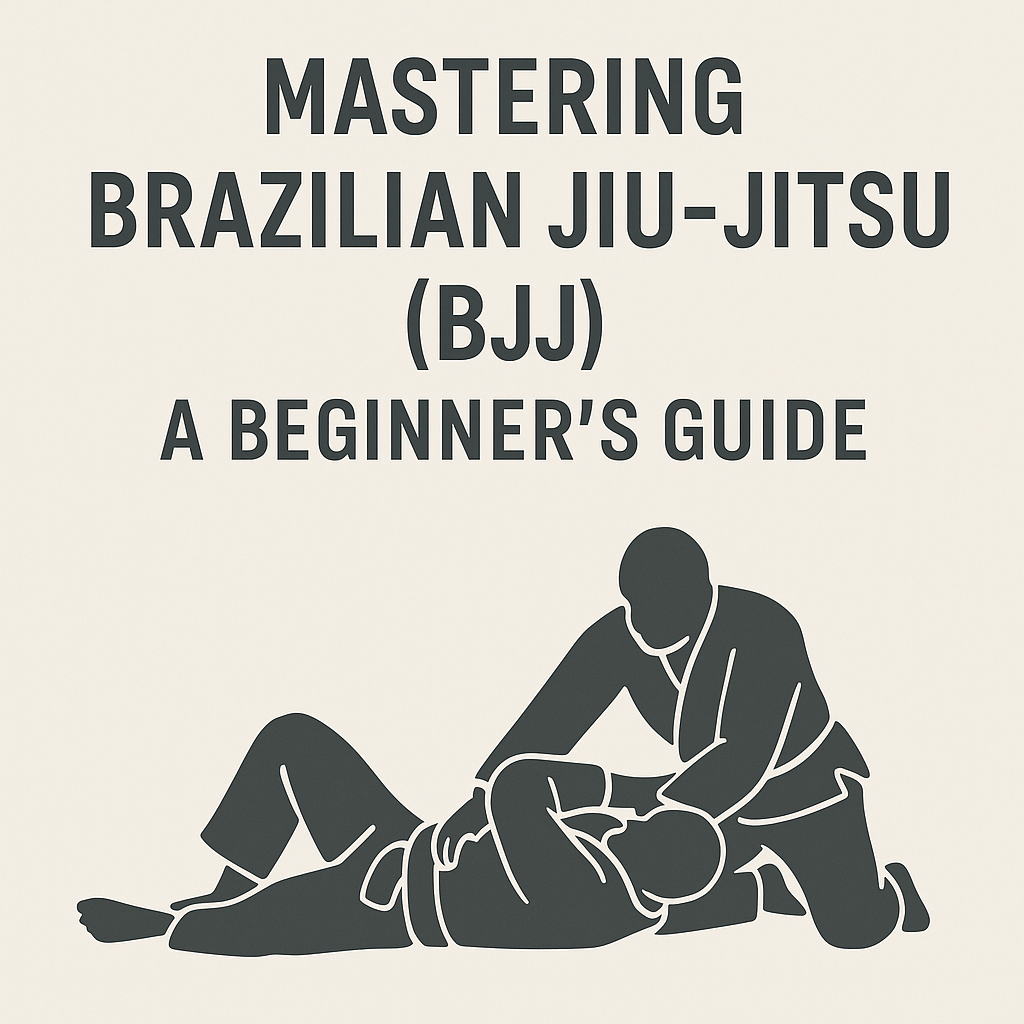
    Skill of the Day: Mastering Brazilian Jiu-Jitsu (BJJ) – A Beginner’s Guide

    Brazilian Jiu-Jitsu (BJJ) is more than just a martial art—it’s a system of problem-solving, resilience, and continuous improvement. Whether you’re stepping onto the mats for the first time or refining your fundamentals, this guide will help you navigate the journey with confidence.


    🥋 Why BJJ Is Worth Learning

    Real-world self-defense: BJJ focuses on leverage and technique, making it accessible regardless of size or strength.
    Physical and mental challenge: It builds strength, flexibility, cardio, and sharpens problem-solving under pressure.
    Community and growth: Classes offer a supportive environment where you learn from every roll and partner.


    🔑 Key Steps to Start Learning BJJ

    1️⃣ Show Up Consistently

    Progress in BJJ comes from mat time. Aim for at least 2–3 sessions a week. Consistency beats talent or strength over time.

    2️⃣ Master the Fundamentals

    Focus on basic positions—guard, mount, side control—and learn to shrimp, bridge, and escape. Start with simple submissions like the cross-collar choke and armbar.

    3️⃣ Drill Smart

    Repetition is key. When drilling, focus on technique over speed. Start slowly, ensuring correct form, then gradually increase intensity. Pair up with partners who challenge you but also help you learn.

    4️⃣ Roll With Intention

    During sparring, set goals: “I’ll work my guard retention today,” or “I’ll focus on escaping side control.” This keeps you focused and accelerates skill development.

    5️⃣ Stay Humble and Ask Questions

    Every black belt was once a white belt who asked questions. Don’t be afraid to seek feedback from higher belts or coaches. BJJ is a community, and everyone remembers what it was like to start out.

    6️⃣ Prioritize Recovery and Flexibility

    Injuries slow progress. Stretch daily, hydrate, and listen to your body. Simple routines like 10 minutes of mobility work can prevent common injuries and keep you rolling longer.

    7️⃣ Adopt the Kaizen Mindset

    Approach each class with the goal of getting 1% better. Focus on small improvements—better posture in guard, tighter grips, smoother transitions. Over time, these micro-wins compound into mastery.


    💬 My Personal Kaizen Insight

    When I started BJJ, I struggled with escaping mount. I made it my mission to practice shrimping and bridging every session. Over weeks, I noticed it becoming second nature. That’s the power of Kaizen: small, consistent steps build confidence and skill.


    🚀 Conclusion and Call to Action

    BJJ isn’t about being the strongest or fastest—it’s about persistence, adaptability, and learning. Show up, stay humble, and focus on the fundamentals. Remember: progress comes from consistent effort over time.

    💬 Which aspect of BJJ are you focusing on this week? Comment below and share your goal!