Blog

  • 🛡️ Skill of the Day: How to Set Boundaries Without Guilt

    🛡️ Skill of the Day: How to Set Boundaries Without Guilt

    Saying “no” isn’t selfish. It’s self-respect.

    If you constantly feel drained, resentful, or taken advantage of, it’s not because you’re too nice—it’s because your boundaries are too weak.

    But here’s the truth: You can set boundaries and still be kind. You can protect your time, energy, and mental health without guilt.

    Let’s break down how.


    🧠 1. Guilt Is a Signal, Not a Stop Sign

    Feeling guilty doesn’t mean you’re doing something wrong. It means you’re doing something new.

    Most guilt stems from old conditioning—people-pleasing habits, fear of rejection, or childhood patterns where saying “no” felt unsafe.m.youtube.com

    Instead of avoiding guilt, recognize it as a sign that you’re growing.

    “Guilt is not reality. It reminds us we are human… but it’s important to stay strong and really care for yourself when you set a boundary.”
    Reddit user on r/raisedbynarcissists reddit.com+1m.youtube.com+1


    🧭 2. Use “I” Statements and Keep It Simple

    You don’t owe anyone a long explanation.laconciergepsychologist.com+2noworrieswellness.org+2psychologytoday.com+2

    Clear, calm language works best:

    • “I’m not available for that.”
    • “I need time to recharge.”
    • “That doesn’t work for me.”

    Avoid over-explaining. The more you justify, the more room you give others to push back.noworrieswellness.org+4reddit.com+4self.com+4


    🧱 3. Remember: Boundaries Build Stronger Relationships

    Healthy boundaries aren’t walls—they’re bridges.

    They create clarity, reduce resentment, and foster mutual respect.

    As Sharon Martin, LCSW, notes:psychologytoday.com

    “Boundaries foster intimacy and connection because they create emotional safety which allows us to be vulnerable.” psychologytoday.com

    By setting limits, you show others how to treat you—and encourage them to do the same.verywellmind.com


    🧘 4. Practice Self-Compassion

    Setting boundaries is a skill, and like any skill, it takes practice.noworrieswellness.org+3psychologytoday.com+3heragenda.com+3

    Be patient with yourself.

    If you feel guilt creeping in, remind yourself:terricole.com+1yourtimetogrow.com+1

    • “I have the right to prioritize my needs.”
    • “Taking care of myself benefits everyone around me.”
    • “It’s okay to feel uncomfortable; growth often is.”

    🔄 5. Reframe “No” as a Positive

    Every time you say “no” to something that drains you, you’re saying “yes” to something that fuels you.

    Think of it this way:

    • Saying “no” to overtime = Saying “yes” to family dinner.
    • Saying “no” to a social event = Saying “yes” to rest.
    • Saying “no” to a toxic relationship = Saying “yes” to peace.

    This perspective shift can transform guilt into empowerment.


    🔧 Practice Drill: The Boundary Script

    Choose one area where you need a boundary—work, family, or friends.

    Write a simple script:

    • “I appreciate the offer, but I can’t commit to that right now.”
    • “I understand you’re upset, but I need to focus on my well-being.”
    • “I’m choosing to spend my time differently.”

    Practice saying it out loud. The more you rehearse, the more natural it becomes.


    🔥 Final Thought

    You’re not responsible for others’ reactions—you’re responsible for your actions.noworrieswellness.org

    Setting boundaries is an act of self-love, not selfishness.

    As you strengthen this skill, you’ll find that guilt fades, and confidence grows.

  • Your Personality Isn’t Fixed. It’s Just a Habit You Forgot You Built.

    Your Personality Isn’t Fixed. It’s Just a Habit You Forgot You Built.

    Most people think they “are who they are.”

    “I’m just shy.”

    “I’ve got a short fuse.”

    “I’m lazy unless I’m under pressure.”

    But here’s the truth:

    None of these are personality traits.

    They’re habitual responses you’ve repeated so often, they feel permanent.

    Shyness? It’s a pattern of avoiding eye contact, speaking softly, and staying silent—built over years.

    Anger? It’s a loop of tension, reactivity, and defensive thinking—rehearsed thousands of times.

    Laziness? It’s the momentum of quitting early, putting things off, and negotiating with yourself.

    And habits can be rewired.

    The science is clear: your brain is plastic. Every time you choose courage over fear, calm over rage, or effort over apathy, you strengthen a new identity.

    You’re not stuck.

    You’re just well-trained in being who you’ve been.

    Reinvention starts when you stop identifying with your past.

    It’s time to rebuild who you are—on purpose.

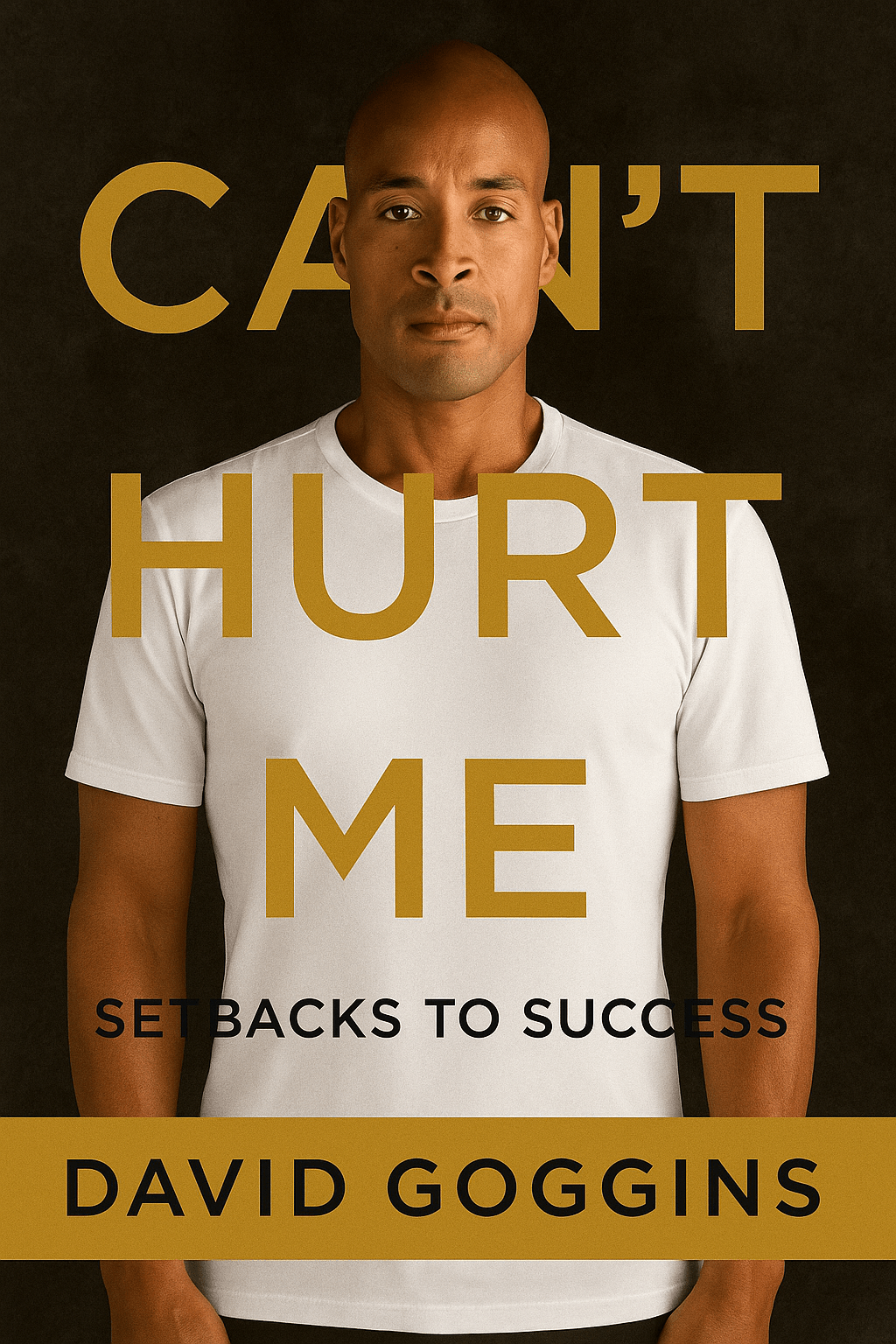
  • Can’t Hurt Me: Forge an Unbreakable Mind

    Can’t Hurt Me: Forge an Unbreakable Mind

    David Goggins’ story reads like a war journal. Born into abuse and grinding poverty , he turned every trauma into fuel. A former Navy SEAL and ultramarathon legend, Goggins literally wrote down phrases like “callus your mind” and “accountability mirror” to survive the hardest trials . Can’t Hurt Me is his unflinching playbook: a raw, no-excuses roadmap to mind over matter. Let’s break down his core mindset tools and how you can use them.

    The 40% Rule: You’re Only Getting Started

    Your brain is a liar. Goggins’ famous 40% Rule means: when your mind screams “I’m done,” you’ve only tapped ~40% of your potential . In practice, this meant that during a 135-mile Death Valley ultramarathon, Goggins felt completely spent — yet somehow dug deeper and kept moving. In his weight-loss crusade he was 300 pounds, but refused to stop before losing 100 pounds in 3 months to qualify for Navy SEAL training . His mantra? “Don’t stop when you’re tired, stop when you’re done.”

    Actionable Insight: Next time you feel like quitting (a workout, a late-night project, a hard deadline), pause. Remember Goggins: you haven’t even reached your limit yet. Force yourself to do just 10–20% more work. For example, finish one more lap when your legs burn, or write one more paragraph when you feel “finished.” You’ll train your mind to tolerate far more than you think possible.

    The Accountability Mirror: Brutal Self-Honesty

    Goggins taught himself to look in the mirror every day and call himself out. He covered mirrors with sticky notes spelling out truths like “you’re fat” or “you’re not smart enough” . Every morning he faced the most important conversation of all – the one with himself – and confronted excuses head-on. If he saw weight gain, the note read “very fucking unhealthy” – a slap of honesty. If he felt weak, he posted reminders of how hard he needs to work. This daily drill forces radical accountability. No excuses. If you lie to yourself, you’ll never grow .

    Actionable Insight: Set up your own accountability mirror. Write 2–3 questions or statements on post-its (e.g. “Are you living up to your goals? Why not?” or “Stop coddling yourself!”) and stick them to your bathroom mirror. Each morning, stare yourself in the eye and answer honestly. Point out laziness or half-effort and demand better. This gut-check fuels discipline. Make it a ritual: the most powerful conversations you’ll have are the ones with yourself .

    Callus Your Mind: Embrace the Suck

    If hands can get calluses, so can your mind. Goggins “callused his mind” by willingly exposing himself to pain and boredom until the mental sting faded . He ran in the freezing rain, did brutal workouts, and relived trauma – over and over – until resistance vanished. “Some people say triple down on your strengths… but if you really want true mental toughness you have to triple down on your weaknesses. And that’s the only way you can callous your mind.” He literally embraced the suck of discomfort.

    Actionable Insight: Seek out a daily “suck workout” or challenge. It could be a freezing cold shower, a set of burpees to failure, a pre-dawn run, or diving into a topic you hate. The first time will hurt. The second time hurts less. Keep repeating. Each “initiation” adds another layer of mental callus. Over time, situations that once made you quit will barely phase you.

    Fill Your Cookie Jar – Strength from Successes

    Goggins carries an inner cookie jar of hard-won victories, and he dips into it whenever life gets brutal . These aren’t half-forgotten memories – he taps into the exact feelings of overcoming odds. As he says, “I actually tapped into the emotional state I felt during those victories… We all have a cookie jar inside us… Even if you’re feeling low and beat down by life right now, I guarantee you can think of a time or two when you overcame odds and tasted success.” Remembering those moments floods your system with confidence and strength.

    Actionable Insight: Create your own cookie jar. Keep a running list (in a notebook or phone) of past wins: times you crushed a goal, endured pain, or bounced back from failure. When you face a tough day, read through them. Feel the pride and power again. Your past toughness is proof you can handle today’s challenge.

    Key Battles That Forged the Goggins Mindset

    David’s core principles didn’t spring from a textbook – they were hammered out in real life:

    Abusive Childhood: He grew up abused by his father and living in fear on the family’s Skateland rink . Instead of breaking, this trauma made him obsessed with never feeling weak again. (“He wants you to be obsessed to the point where people will think you’re nuts,” is his warning .) Flipping the Script on Laziness: In his 20s he was 300 pounds and depressed. Horrified, he flipped a switch: in three months he blasted off the first 100 pounds so he could “get some purpose” . He learned that action cures fear, so he embarked on grueling training. Navy SEAL Hell Weeks: He became a SEAL after multiple attempts (including failing Air Force tech school and a heart surgery). Each failure and injury just fueled his obsession. He refused to quit, logging countless extra workouts. The message: “There are no shortcuts”, no governor on effort. Ultramarathon Legend: When he ran 135 miles through Death Valley (Badwater) in 2007, he nearly died on the course – but kept going. He used the 40% Rule on brutal mountain climbs and 130°F heat. His third-place finish (beating his own time by 4 hours!) was achieved by embracing every ounce of pain. Personal Mottos: After each ordeal, Goggins jotted down lessons. Hence the odd but powerful phrases: “Armor your mind,” “Get comfortable being uncomfortable,” “Perform without purpose” (meaning don’t train aimlessly) . These maxims defined his ethos.

    Each crucible chipped away excuses and built the Goggins philosophy: Comfort is the enemy of achievement. He learned that success comes from saying “no” to easy and “yes” to hardship, day after day.

    Who Can’t Hurt Me Is Not For

    This book is NOT a gentle read or fluffy pep-talk. It’s a merciless gut-punch. If you’re looking for shortcuts, feel-good affirmation, or an easy ride, move on. Can’t Hurt Me isn’t for:

    People content with comfort. (Goggins lives under constant self-imposed suffering to grow. If you don’t want to embrace the suck, this will feel insane.) Those who blame outside factors. (If you’re not willing to take 100% accountability for your situation, the accountability mirror will be brutal.) Anyone scared of hard work. (Goggins demands obsessiveness. He’s not into motivation as a feel-good vibe – he wants you so driven that others call you “fucking nuts” .) Readers seeking a quick fix. (These principles work only if you do the work. There’s no magic pill – he’ll make you own your failures and grind through them.)

    In short: if you expect coddling, this book will slap you. But if you crave real growth through relentless self-discipline, it will change your life.

    Ready to Get Hard? Reflect and Act

    Now the ball is in your court. Goggins sets the bar high to show you it can be done. Ask yourself: “What challenge am I going to push through today that I would normally quit?” Are you ready to confront your own mirror and push past 40%? The struggle begins now. Stand up, embrace the pain, and grow.

    What’s your first uncomfortable step? Choose one tiny pain point to tackle this week – a cold shower, an extra mile, an honest mirror check – and report back to you.

    Sources: Lessons and quotes above are drawn from David Goggins’ Can’t Hurt Me and related interviews/transcripts , as well as biographical summaries that reveal the real-life crucibles behind his mindset.

  • 🏃‍♂️ Daily Kaizen: Move First Thing

    🏃‍♂️ Daily Kaizen: Move First Thing

    Before the coffee. Before the scrolling. Before your brain talks you out of it—move.

    This isn’t about crushing a workout or logging a 10K run. It’s about momentum.

    Just move your body as the first thing you do today.

    10 push-ups. 20 air squats. 1-minute plank. A walk around the block. Stretching on the floor.

    Doesn’t matter. What matters is that your first act of the day is physical.

    Why?

    Because the body leads the mind.

    You don’t wait to feel motivated—you generate momentum.

    And that energy carries into everything else.

    The Rule:

    🧠 Don’t think.

    📱 Don’t scroll.

    🚿 Don’t shower.

    Just move.

    Mini-Challenge:

    Set a timer for 5 minutes. Move nonstop. Then start your day.

    Small shift. Big ripple.

  • FAQ of the Day: How Do I Know If I’m Actually Healthy?

    FAQ of the Day: How Do I Know If I’m Actually Healthy?

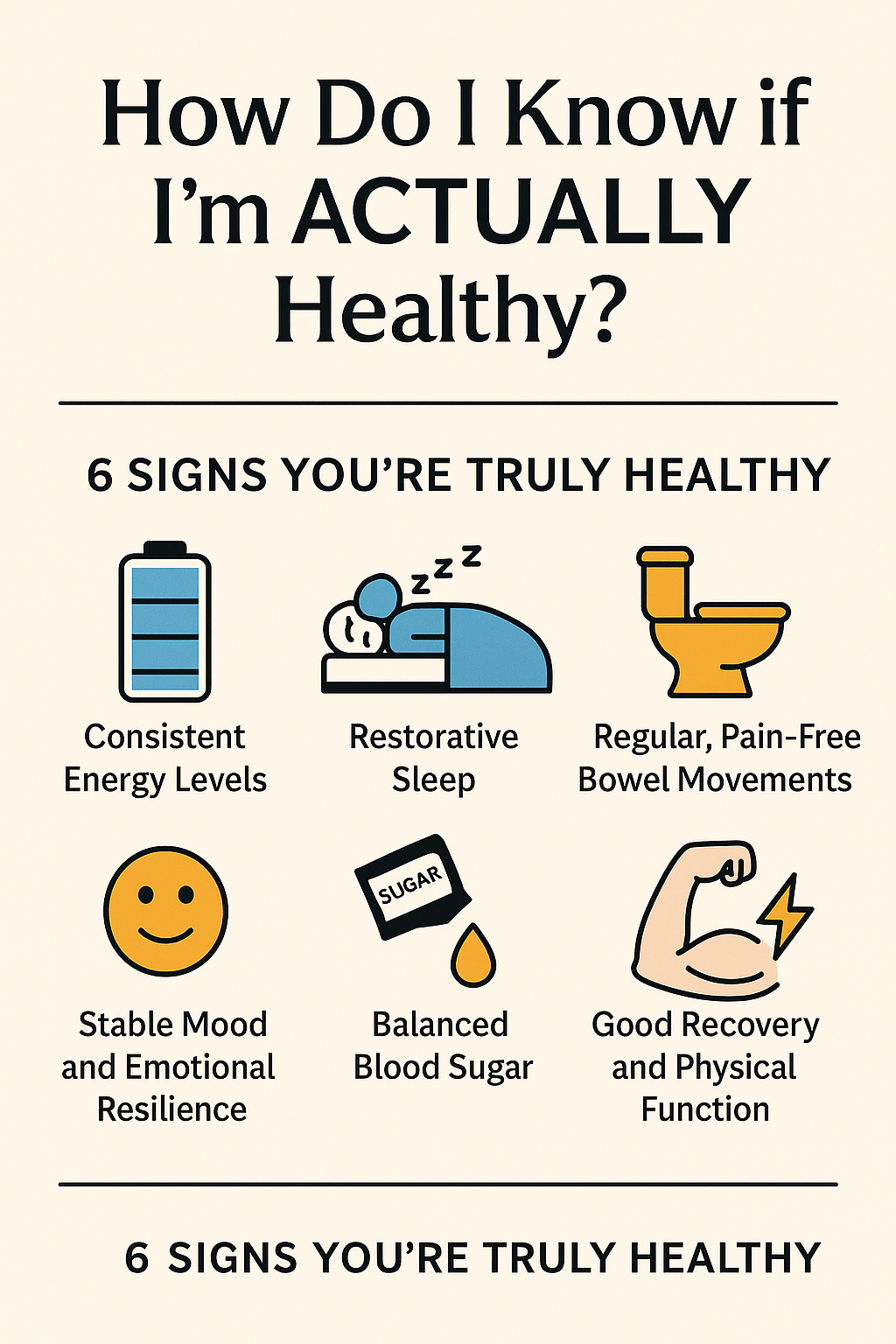
    There’s a big difference between looking healthy and being healthy. Six-pack abs don’t guarantee metabolic health. Running 10K doesn’t mean you’re sleeping enough. So what actually counts?

    ✅ 6 Signs You’re Truly Healthy

    Consistent Energy Levels You wake up refreshed and maintain steady energy throughout the day (without needing caffeine to survive). Restorative Sleep You fall asleep quickly, stay asleep, and wake up without feeling groggy. Regular, Pain-Free Bowel Movements Daily, easy-to-pass stools are a clear sign your gut—and your diet—are in a good place. Stable Mood and Emotional Resilience You don’t feel like you’re on a constant emotional rollercoaster. You can handle stress without snapping or shutting down. Balanced Blood Sugar No extreme hunger, dizziness, or “hangry” crashes. You feel satisfied after meals and don’t obsess over snacks. Good Recovery and Physical Function You bounce back after workouts. Your joints feel good. You move well and don’t constantly ache.

    👀 Bonus Insight:

    Just because you’re not sick doesn’t mean you’re healthy.

    Symptoms like bloating, brain fog, and poor concentration are early whispers your body’s off track. Listen to them.

    🚀 How to Audit Yourself:

    Track energy levels and sleep quality for a week Use a basic food and mood journal Notice how long it takes to recover after a workout Reflect: do you feel good most days?

    If you’re falling short in one or more of these areas—it’s not a crisis, it’s a signal. Health is a dial, not a switch.

  • 🗣️ Skill of the Day: How to Speak So People Actually Listen

    🗣️ Skill of the Day: How to Speak So People Actually Listen

    Tired of being ignored, misunderstood, or tuned out?

    Being a great speaker isn’t about volume or charisma—it’s about clarity, intent, and emotional control. Speaking well is a skill, and today, we’re going to break down how to master it.

    🧠 1. Start with One Clear Intent

    Before you speak, ask yourself:

    “What’s the one message I want them to take away?”

    Cut the fluff. No one remembers rambling. One clear takeaway will always land harder than a tangled mess of ideas.

    ⏱️ 2. Speak Slower Than Feels Natural

    Speed kills attention.

    When you slow your speech by just 10–20%, it does 3 things:

    Increases clarity Projects calm confidence Makes your words feel intentional

    Pro tip: Pause for half a second between major ideas. Let it land.

    👂 3. Use the “Lean-In” Effect

    Don’t try to fill every silence. Sometimes the most powerful thing you can say is… nothing.

    Strategic pauses make people lean in.

    Silence builds tension and forces attention back on you. Own the space.

    💥 4. Punch With the Last Word

    Always land your most powerful word at the end of a sentence.

    Compare:

    “This is a powerful idea.”

    vs.

    “This idea is powerful.”

    The second one hits.

    🤝 5. Mirror Their Energy, Then Lead

    If you’re too hyped for a calm crowd, you’ll seem fake.

    Match their emotional tone for the first few seconds, then slowly raise the energy once you’ve got their trust.

    This is how charisma is built in real time.

    🔁 Practice Drill: The 60-Second Breakdown

    Choose a topic. Record yourself explaining it in under 60 seconds.

    Watch it back Cut the fluff Tighten the pace Re-record until it lands clean

    Do this 5x per week and you’ll be shocked how fast you improve.

    🔥 Final Thought

    People don’t listen to noise. They listen to signal.

    Train this skill and you won’t just sound confident—you’ll become someone worth listening to.

  • The Gym Won’t Save You: Why Most “Fit” People Are Still Sick

    The Gym Won’t Save You: Why Most “Fit” People Are Still Sick

    You think you’re healthy because you go to the gym?

    You lift heavy.

    You run hard.

    You look lean.

    But here’s the truth:

    🧠 You’re stressed 24/7.

    🍽 You undereat then binge.

    ☕ You live on caffeine and sleep 5 hours.

    📱 You scroll more than you breathe.

    💊 You pop supplements but can’t remember the last time you walked in nature.

    You’re not fit.

    You’re just cosplaying health.

    Fitness isn’t health.

    It’s not visible abs. It’s not your bench press PR. It’s not your Strava screenshots.

    Real health is energy, clarity, mobility, resilience.

    It’s sleeping deep.

    It’s moving pain-free.

    It’s thinking clearly.

    It’s handling stress without self-destructing.

    You can’t train away a broken lifestyle.

    Rethink your routine. Audit your habits. Train like your life depends on it—because it does.

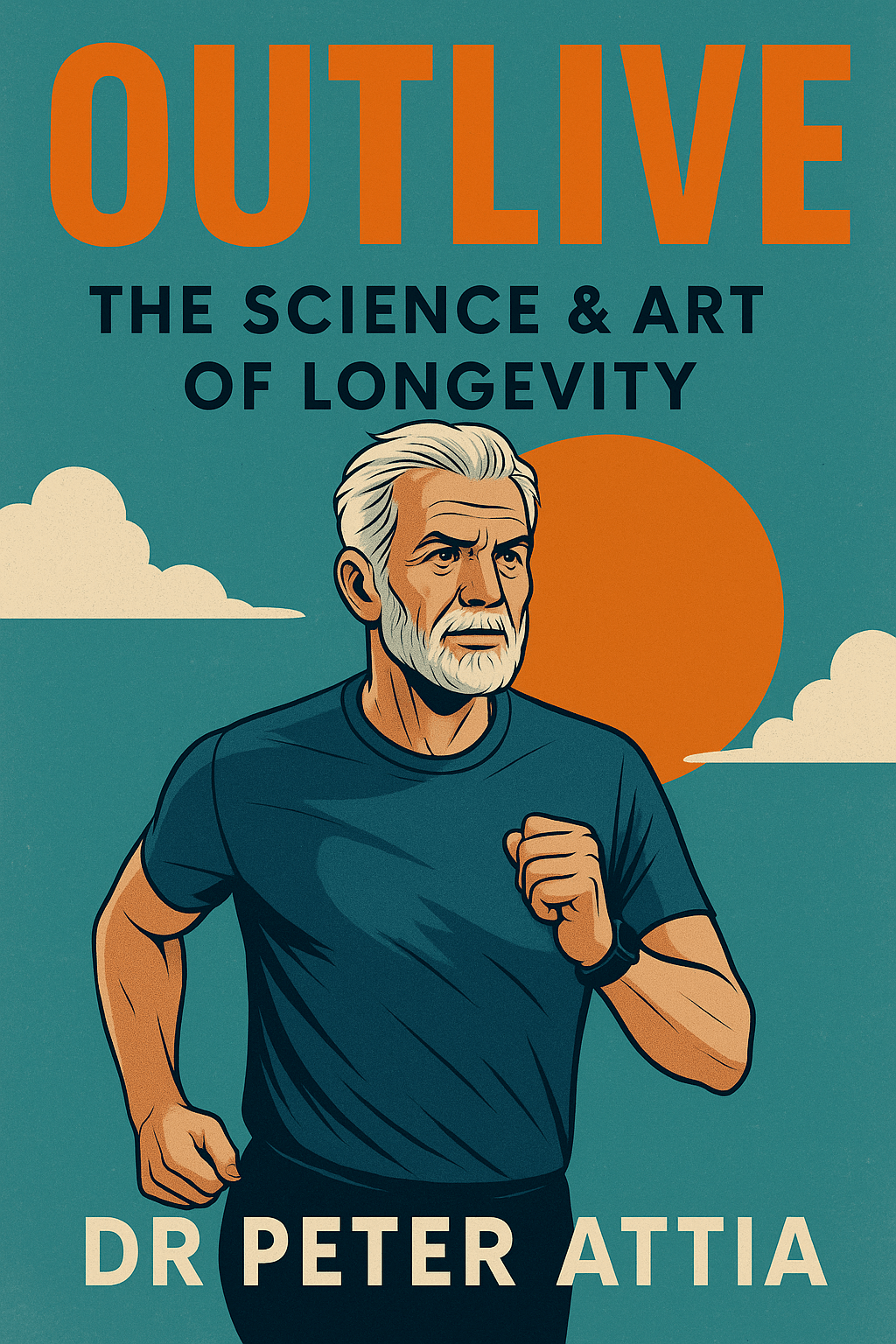
  • Book of the Day: Outlive — The Science & Art of Longevity by Dr. Peter Attia

    Book of the Day: Outlive — The Science & Art of Longevity by Dr. Peter Attia

    Have you ever felt that everything you thought about “healthy aging” might be wrong? In Outlive, Peter Attia shatters conventional wisdom and hands you the evidence-based playbook to truly live longer and better. This isn’t hype – it’s a no-nonsense blueprint for peak performance at any age. Attia, a Stanford-trained physician and longevity expert, argues that our current medical model (which he dubs “Medicine 1.0” and “2.0”) is fundamentally flawed . Instead of waiting for illness, he demands a radical proactive regime: treat aging like an engineering problem — track your health, catch threats early, and optimize your performance every day .

    The Four Horsemen and Medicine 3.0

    Attia identifies four killers driving most premature death: heart disease, cancer, Alzheimer’s/dementia, and type 2 diabetes/metabolic dysfunction. He dubs these the “Four Horsemen” of aging, arguing they dictate both how long we live and how well we live . The key is a radical pivot he calls Medicine 3.0 . No more reacting after the fact: under this model you hunt down problems early. For example, Outlive urges calcium scans for hidden plaque or routine cancer blood tests before any symptoms appear —completely flipping the script on how we use medicine.

    Bold Takeaway: Prevention is the new prescription. Think long-term: what’s your 80-year game plan? (Hint: it shouldn’t start at 80.) Medicine 3.0 is clear: catch problems early or prevent them entirely .

    The Four Pillars of Longevity

    So what do you actually do? Attia boils it down to four tactical pillars of health : exercise, nutrition, sleep, and emotional health. Ignore any one of these, and longevity suffers.

    Exercise: This isn’t optional. Attia flat-out calls exercise “the most potent longevity ‘drug’ in our arsenal” . The research backs it up: just 90 minutes of moderate exercise per week can slash your mortality risk (~14% lower) , and regular exercisers live a decade longer than couch potatoes . Zone 2 cardio, strength training, even agility work — Attia details how each form of movement upgrades your heart, muscles, and brain. Your muscles and mind will thank you. Nutrition: This is not another faddish diet sermon. Attia challenges conventional diet dogma . There’s no one-size-fits-all approach . Instead, he urges a nutrient-dense, whole-food focus (think Mediterranean-style eating, minimal refined sugar/alcohol) and encourages you to experiment and measure how your own body responds . He’s clear: severe calorie restriction can backfire — it can tax your immune system and lead to frailty —so prioritize quality and sustainability in your diet. Sleep: The undercover hero of health. Outlive warns that chronic sleep deficits wreck metabolism, immunity, and brain repair. Treat sleep as non-negotiable: consistency, a cool dark room, and proper duration are as critical as any workout or meal. Neglect it, and you’ll be stacking up disease risk by the decade (attacked obesity, diabetes, heart disease, even dementia). Emotional & Mental Health: Longevity isn’t just a physical game. Attia stresses that chronic stress, loneliness, and depression accelerate aging. Good relationships, purpose, therapy or mindfulness — these count as seriously as reps in the gym. Outlive shows that a resilient, engaged mind fuels all other pillars and keeps you sharp and motivated in your 80s and 90s.

    “I now consider exercise to be the most potent longevity ‘drug’ in our arsenal”  — a reminder that the basics (move more, eat real food, sleep well, manage stress) are far more powerful than any pill or supplement for a vibrant, long life.

    Personalization, Metrics and the Centenarian Decathlon

    No-nonsense cornerstone: measure everything, personalize relentlessly . Attia bluntly states there is no magic pill or single diet that fits all . You are a unique experiment: track your blood pressure, lipid panels, glucose responses, and even get advanced tests (coronary calcium scans, genetic risk screens, etc.). He even advises prescribing statins for prevention if your calcium score is sky-high . The motto: you can’t manage what you don’t measure.

    Attia also introduces the “Centenarian Decathlon.” Imagine the life you want at 100: what athletic and mental feats do you still want to pull off? A marathon? Writing a novel? Keep up with grandchildren? Now reverse-engineer: build a program today to preserve those specific abilities . This simple, inspiring concept reframes aging as a personal engineering challenge. Every workout or habit tweak is targeted at making that 100-year-old you possible.

    Bold Takeaway: Don’t guess — test and tune. Gather your data (wearables, bloodwork, scans) and only take aggressive action if anything looks off .

    Breaking (Goodbye to) Old Advice

    Outlive tears down outdated health mantras. Dietary cholesterol as a mortal enemy? Attia says it’s nuanced — some people handle eggs and saturated fat just fine . All calories being equal? He shows that quality matters, and extreme calorie-cutting often backfires . The “wait for symptoms” medical model? He flips it: find hidden plaque or early tumors long before they strike .

    You won’t find sugar-coated pills or vague platitudes here. Attia’s tone is tough-love: he wants you to embrace uncomfortable truths (for example, over 11% of Americans have diabetes right now ) and use that data to overhaul habits.

    Bold Takeaway: Challenge everything. If a health recommendation feels lazy or one-size, scrutinize it. Outlive teaches that breakthroughs come from hacking the system — using data, rejecting dogma, and training your body/mind to defy the status quo .

    Actionable Fitness & Lifestyle Hacks

    Outlive isn’t just theory — it’s packed with practical life tweaks. Here are some game-changing moves distilled for daily life:

    Move with a plan: Schedule consistent cardio (e.g. 3 sessions/week of 30–60 min Zone-2 rides or runs) and strength training (muscle = metabolic armor). Remember: 90 minutes/week of exercise yields huge returns , and every rep builds your future self. Eat for energy: Ditch ultra-processed junk and added sugars. Embrace whole foods: vibrant veggies, lean protein, healthy fats. Experiment: track your blood glucose or ketones to see which foods spike you — then dial your diet for stability. Sleep as your power-up: Prioritize 7–9 hours nightly. Fix your light exposure (bright days, dark nights) and keep a consistent bedtime. Small tweaks (no late caffeine, a cool dark room, wind-down routine) can revolutionize your daily energy and hormone balance. Build mental resilience: Make stress-management a daily habit — meditation, cold exposure, journaling, therapy, or whatever works for you. Cultivate strong social bonds and hobbies you love. Your mind is the command center of health; protect it. Set 10-year goals: Use Attia’s Centenarian Decathlon: list the feats you want at ages 70, 80, 100. Measure them yearly. This keeps you laser-focused on why you’re doing this (hint: for maximum life fulfillment). Track your metrics: Get annual labs (fasting glucose, lipids, inflammation markers). Know your family risks and discuss them with your doctor. If something’s off (e.g. rising blood sugar or a high calcium score), take action now.

    Each step here is a brick in your longevity fortress — and the beauty is they overlap with peak performance. When your cardiovascular fitness soars, energy and clarity follow. When your diet stabilizes blood sugar, productivity spikes and crashes disappear. When you nail sleep, workouts, mood, and focus all improve. This isn’t about giving up life’s pleasures; it’s about getting more out of life — longer and better.

    Conclusion: Defy Your Age

    Reading Outlive feels like a wake-up call. Dr. Attia doesn’t promise magic pills; he delivers a radical, disciplined framework. The message is empowering: you are in charge of your aging. There’s no reason to be passive — the science shows we can extend our healthspan with bold, intentional choices.

    In the end, Outlive is a manifesto for anyone serious about self-mastery. It’s about embracing hard truths (like over 11% of Americans have diabetes right now ) and taking relentless action.

    So here’s the challenge: Pick one area today and commit. Run a little farther, swap one processed snack for something real, carve out 15 minutes to meditate. Outlive shows you that small steps against the Four Horsemen compound into huge wins.

    Bold Takeaway: The best time to plant your longevity tree was yesterday; the second-best time is now. Attia’s Outlive arms you with the strategy — your mission is to execute. Read it, question it, and go improve yourself. Your future self will thank you.

  • 🔧 Daily Kaizen: Remove Notifications, Reclaim Focus

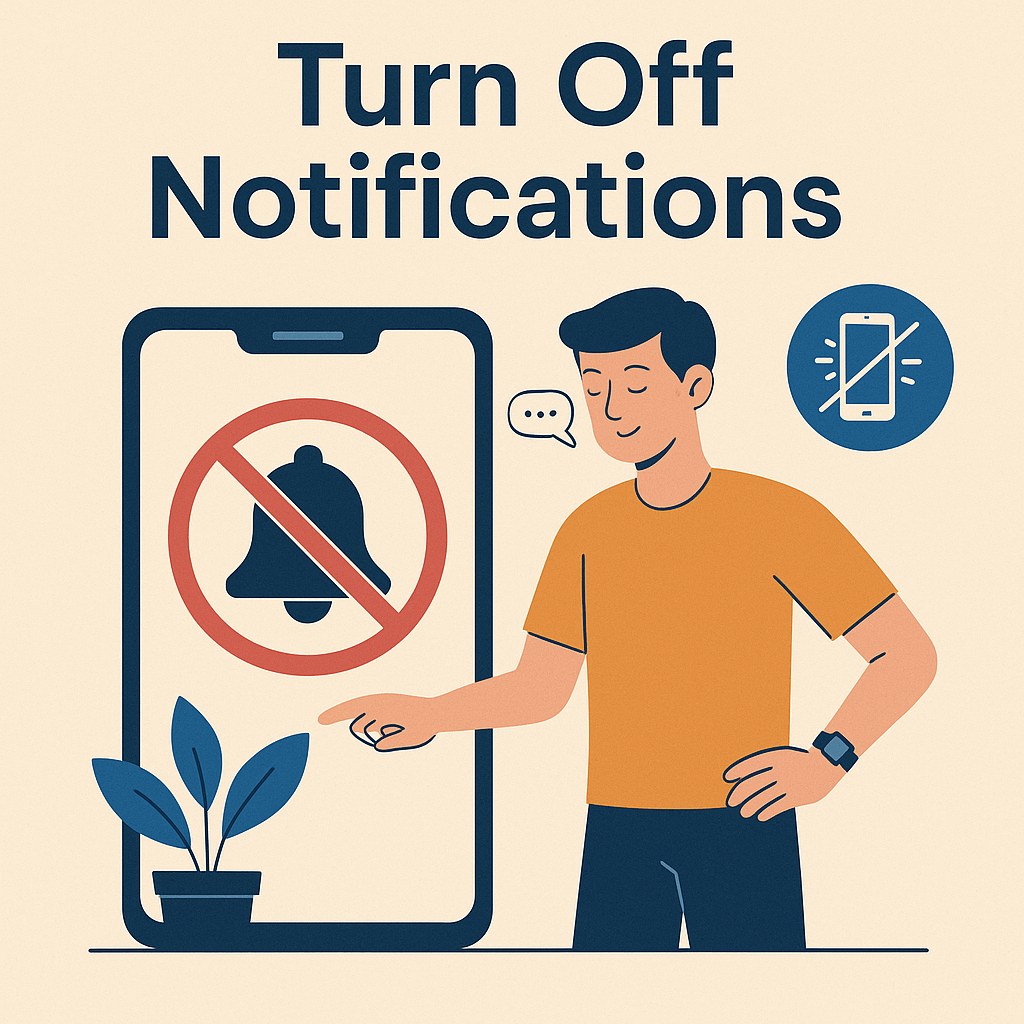
    🔧 Daily Kaizen: Remove Notifications, Reclaim Focus

    Today’s 1% improvement is simple, powerful, and totally free:

    Turn off all non-essential notifications.

    😵 Why It Matters:

    Every ping trains your brain to respond, not create.

    It breaks flow. It adds stress. It makes everyone else’s priorities louder than your own.

    🛠️ What to Do:

    Kill All Social Media Alerts – You’ll check it anyway. Mute Group Chats – 95% of it isn’t urgent. Whitelist only calls, calendar events, and your partner. Use Do Not Disturb for deep work sessions. Batch responses instead of chasing distractions.

    🧠 Bonus:

    “The less your phone controls you, the more you control your life.”

    Try this for a day. You’ll feel more clear-headed, focused, and free.

  • ❓FAQ of the Day: “Should I Train When I’m Tired?”

    ❓FAQ of the Day: “Should I Train When I’m Tired?”

    We’ve all been there: you didn’t sleep well, work was brutal, and now the gym is calling your name. The big question is — should you go anyway?

    ✅ The Short Answer:

    Yes… but with a plan.

    🧠 How to Decide:

    Tired or Exhausted? If you’re mentally tired but physically fine → train. If you’re physically wrecked → modify or rest. Type of Fatigue? Sleep-deprived? Keep it light. Stressed? Training might help reset your mood. Goal-Driven Adjustments: Strength day? Drop the load, focus on form. Cardio? Go Zone 2 and just move.

    🛑 When to Skip:

    You’re sick, injured, or feeling warning signs (e.g., dizziness, joint pain). You’ve had multiple nights of poor sleep. You’re dragging emotionally and training feels destructive.

    💡 The Rule:

    “Show up, scale down, or shift to recovery.

    But keep the habit loop alive.”

    Consistency beats perfection. Tired sessions still count — mentally, physically, and habitually.

Skill Stacked

Stack Your Skills. Build Your Body. Sharpen Your Mind.

Skip to content ↓