
Tag: Emotional Control

  • Your Personality Isn’t Fixed. It’s Just a Habit You Forgot You Built.

    Your Personality Isn’t Fixed. It’s Just a Habit You Forgot You Built.

    Most people think they “are who they are.”

    “I’m just shy.”

    “I’ve got a short fuse.”

    “I’m lazy unless I’m under pressure.”

    But here’s the truth:

    None of these are personality traits.

    They’re habitual responses you’ve repeated so often, they feel permanent.

    Shyness? It’s a pattern of avoiding eye contact, speaking softly, and staying silent—built over years.

    Anger? It’s a loop of tension, reactivity, and defensive thinking—rehearsed thousands of times.

    Laziness? It’s the momentum of quitting early, putting things off, and negotiating with yourself.

    And habits can be rewired.

    The science is clear: your brain is plastic. Every time you choose courage over fear, calm over rage, or effort over apathy, you strengthen a new identity.

    You’re not stuck.

    You’re just well-trained in being who you’ve been.

    Reinvention starts when you stop identifying with your past.

    It’s time to rebuild who you are—on purpose.
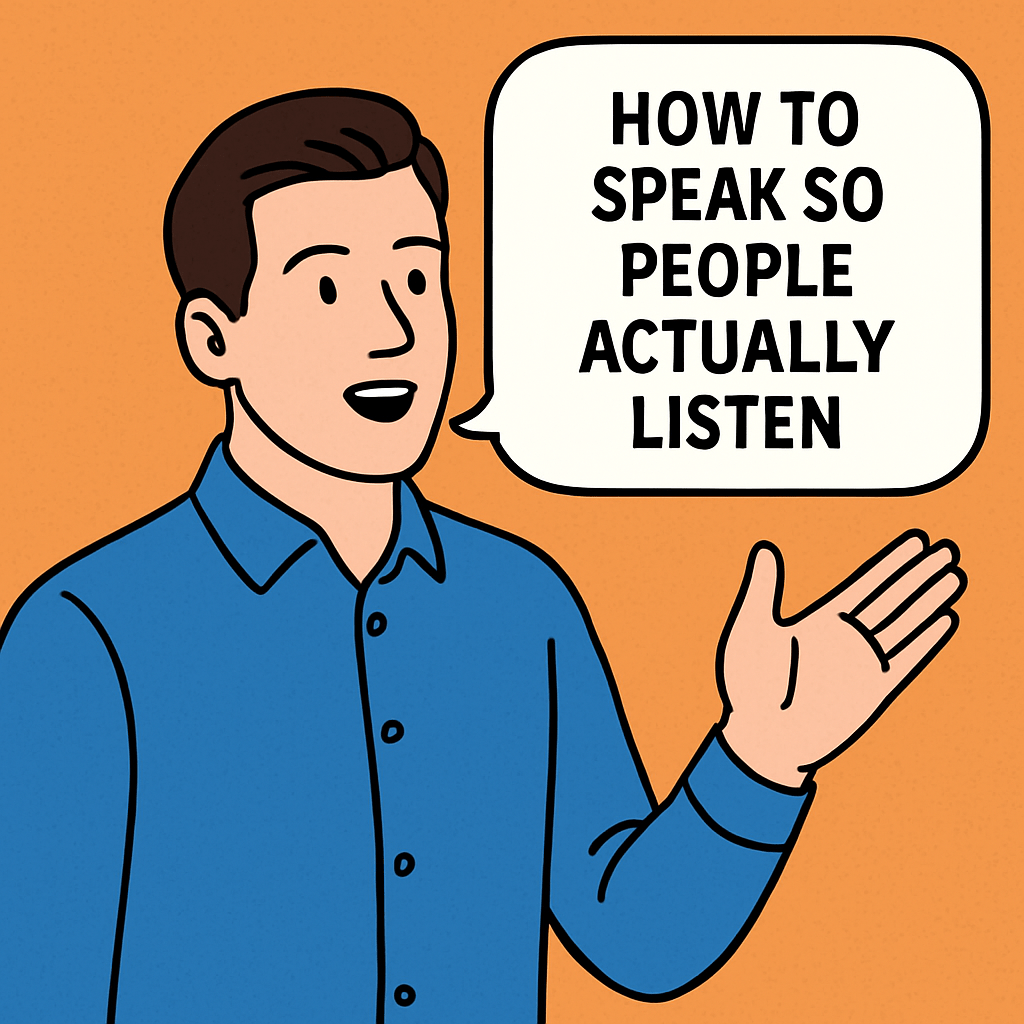
  • 🗣️ Skill of the Day: How to Speak So People Actually Listen

    🗣️ Skill of the Day: How to Speak So People Actually Listen

    Tired of being ignored, misunderstood, or tuned out?

    Being a great speaker isn’t about volume or charisma—it’s about clarity, intent, and emotional control. Speaking well is a skill, and today, we’re going to break down how to master it.

    🧠 1. Start with One Clear Intent

    Before you speak, ask yourself:

    “What’s the one message I want them to take away?”

    Cut the fluff. No one remembers rambling. One clear takeaway will always land harder than a tangled mess of ideas.

    ⏱️ 2. Speak Slower Than Feels Natural

    Speed kills attention.

    When you slow your speech by just 10–20%, it does 3 things:

    Increases clarity Projects calm confidence Makes your words feel intentional

    Pro tip: Pause for half a second between major ideas. Let it land.

    👂 3. Use the “Lean-In” Effect

    Don’t try to fill every silence. Sometimes the most powerful thing you can say is… nothing.

    Strategic pauses make people lean in.

    Silence builds tension and forces attention back on you. Own the space.

    💥 4. Punch With the Last Word

    Always land your most powerful word at the end of a sentence.

    Compare:

    “This is a powerful idea.”

    vs.

    “This idea is powerful.”

    The second one hits.

    🤝 5. Mirror Their Energy, Then Lead

    If you’re too hyped for a calm crowd, you’ll seem fake.

    Match their emotional tone for the first few seconds, then slowly raise the energy once you’ve got their trust.

    This is how charisma is built in real time.

    🔁 Practice Drill: The 60-Second Breakdown

    Choose a topic. Record yourself explaining it in under 60 seconds.

    Watch it back Cut the fluff Tighten the pace Re-record until it lands clean

    Do this 5x per week and you’ll be shocked how fast you improve.

    🔥 Final Thought

    People don’t listen to noise. They listen to signal.

    Train this skill and you won’t just sound confident—you’ll become someone worth listening to.

  • Skill of the Day: Developing Mental Toughness

    Skill of the Day: Developing Mental Toughness

    Introduction
    Mental toughness isn’t about being emotionless or fearless—it’s about staying grounded, focused, and disciplined when it matters most. Whether you’re under pressure at work, grinding through a tough workout, or navigating personal adversity, mental toughness is what keeps you moving forward when motivation fades. It’s a skill—and like any skill, it can be trained.


    🧠 What Is Mental Toughness?

    Mental toughness is your ability to stay resilient, focused, and composed under stress, especially when things get uncomfortable. It’s not about pretending nothing affects you—it’s about responding intentionally instead of reacting emotionally.

    You’ve likely seen it in action:

    • A fighter who keeps their composure after being knocked down.
    • A leader who stays calm while their team panics.
    • An entrepreneur who keeps going after multiple failures.

    Mental toughness is the bridge between goals and execution—the discipline to act even when it’s hard.


    ⚠️ Common Misconceptions

    • “You’re born with it” – False. Mental toughness is built through repetition, like a muscle.
    • “It means pushing through at all costs” – Wrong. True toughness includes knowing when to rest, adapt, or say no.
    • “It’s about being stoic and emotionless” – No. It’s about controlling your emotions, not erasing them.

    🛠️ Real-World Applications

    • Fitness: Pushing through fatigue, showing up on low-motivation days, and training consistently.
    • Career: Delivering under pressure, dealing with criticism, and making tough decisions.
    • Personal Life: Handling setbacks, managing stress, and staying calm during conflict.

    The more mentally tough you are, the better your outcomes—not because life gets easier, but because you get stronger.


    🔁 Step-by-Step Framework to Build It

    1. Embrace Discomfort on Purpose

    You grow tough by choosing challenge regularly. This could be:

    • Cold showers
    • Extra sets at the gym
    • Speaking up when it’s uncomfortable

    These “controlled struggles” expand your capacity for stress.

    2. Control the Inner Dialogue

    Your mind will offer excuses, fears, and doubts. Create a response:

    • “Just keep moving.”
    • “Discomfort is temporary.”
    • “This is how I grow.”

    Repetition rewires your default reactions.

    3. Visualize Pressure

    Prepare mentally for tough scenarios:

    • Imagine that high-stress meeting or hard roll at BJJ
    • Rehearse how you’ll breathe, move, and think

    Mental rehearsal makes the real thing easier.

    4. Set Clear, Unbreakable Standards

    Create rules that don’t bend based on mood:

    • “I don’t skip training.”
    • “I always finish what I start.”
    • “I speak calmly, even when triggered.”

    Then stick to them—especially when it’s hardest.

    5. Recover Like a Pro

    Toughness isn’t just push—it’s also bounce-back. Prioritize:

    • High-quality sleep
    • Intentional rest days
    • Reflection and journaling

    A resilient system doesn’t break—it bends and returns stronger.


    🔁 Kaizen Micro-Habits to Train Mental Toughness

    • Do something hard first thing in the morning (cold shower, exercise, no snooze button).
    • Set a 3-second pause rule before reacting emotionally.
    • Write down one “win under pressure” at the end of each day.
    • Track discomfort reps: Every time you lean into a hard task, note it—it builds pride and momentum.
    • Use a mantra (“Just keep breathing,” “This is where I grow”) when facing challenge.

    Small wins compound—this is the Kaizen path to a stronger mind.


    💬 Final Thoughts + Call to Action

    Mental toughness isn’t about never struggling—it’s about refusing to quit when things get hard. You don’t need to be fearless. You need to be consistent, clear-minded, and grounded in discomfort.

    Today’s challenge:
    Choose one small, uncomfortable action—and do it on purpose. A cold shower. An honest conversation. That task you’ve been avoiding. Then reflect: What did that teach you about yourself?

    Growth lives just beyond discomfort. Go get it.